
Lou’s Views
News & Views / July Edition
Calendar of Events
NA
 Discover a wide range of things to do in the Brunswick Islands for an experience that goes beyond the beach.
For more information » click here.
Calendar of Events Island
 Concerts on the Coast Series
The Town’s summer concert series calendar has been released! Live performances featuring local musical groups will be held at the Bridgeview Park picnic pavilion across from Town Hall. It will be on Sunday evenings at 6:30pm from May 24th to September 6th. The concerts are FREE of charge.
Beginning May 24th and continuing through September 6th
The park will be blocked from vehicular access beginning Saturday evening. The splash pad will be closed on Sundays and the multipurpose court will close at 3:00 p.m. each Sunday. No seating will be provided so everyone should bring their own chair for the event.
Meet the Holden Beach Police Dept. and the Tri-Beach Fire Dept. before the concert.


Tide Dye Tuesday Program
The Tide Dye program will be held on Tuesdays between 1:00 to 2:30 p.m. at Bridgeview Park picnic pavilion. Participants must be in line by 2:00 p.m. to participate because the process takes approximately 30 minutes to complete. The fee is $7 per shirt for youth sizes through Adult XL and $10 per shirt for 2XL.
Payment via cash or check only.
Please check Facebook on the day of the event for any inclement weather updates
Beginning June 9th and continuing through August 11th
 Turtle Talk
Two programs both are held every Wednesday during the summer at the Holden Beach Chapel. Children’s Turtle Time is at 4:00 p.m. with crafts, stories and activities for children ages 3 – 6. All children must be accompanied by an adult. Turtle Talk is an educational program at 7:00 p.m. for everyone else.
Beginning June 24th and continuing through August 12th
Parks & Recreation / Programs & Events
For more information » click here
Reminders
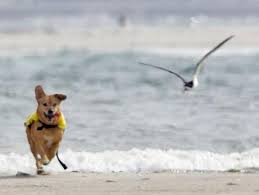
Pets on the Beach Strand
§90.20 RESPONSIBILITIES OF OWNERS
Effective May 20th through September 10th
-
-
- Pets are not allowed on the beach strand during the hours of 9am through 5pm
- Dog’s need to be on a leash
- Owner’s need to clean up after their animals
-
Bird Nesting Area
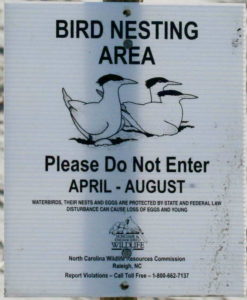
NC Wildlife Commission has posted signs that say – Bird Nesting Area
The signs are posted on the west end beach strand around 1335 OBW.
People and dogs are supposed to stay out of the area from April through November
. 1) It’s a Plover nesting area
. 2) Allows migrating birds a place to land and rest without being disturbed

A Second Helping
.
Program to collect food Saturday mornings (8:00am to 10:30am) during the summer at the Beach Mart on the Causeway.
. 1) Twenty-second year of the program
. 2) Food collections have now exceeded 317,000 pounds
. 3) Collections will begin on Memorial Day weekend
. 4) Food is distributed to the needy in Brunswick County
For more information » click here
.
Hunger exists everywhere in this country; join them in the fight to help end hunger in Brunswick County. Cash donations are gratefully accepted. One hundred percent (100%) of these cash donations are used to buy more food. You can be assured that the money will be very well spent.
Mail Donations to:
A Second Helping
% Sharon United Methodist Church
2030 Holden Beach Road
Supply, NC 28462
 News from Town of Holden Beach
The town sends out emails of events, news, agendas, notifications, and emergency information. If you would like to be added to their mailing list, please go to their web site to complete your subscription to the Holden Beach E-Newsletter.
For more information » click here
 Paid Parking
Paid parking in Holden Beach
Paid parking will be enforced from 9:00 a.m. to 5:00 p.m. daily with free parking before and after that time. All parking will use license plates for verification.
Rates
Parking rates for a single vehicle in all designated areas will be:
$5 per hour for up to four hours
$20 per day for any duration greater than four hours
$80 per week for seven consecutive days
Handicap Parking
A vehicle displaying a handicap license plate and/or hang tag parked in a designated handicap space is free. Any other parking space will require a parking permit via the app.
Annual Passes
Annual permits for the calendar year allow vehicles (this includes low-speed vehicles and trailers) access to designated parking.
$175 for a single vehicle
Passes can be purchased via the app, website or by telephone.
Where to Park
Per ordinance, there is no parking on the streets or rights-of-way except in designated parking spaces identified by Pay-to-Park signs. Click here to view an interactive map. The table with authorized parking can be viewed below.
Citations will be issued for:
-
-
- Parking without an active paid permit in a designated parking area
- Parking within 40 feet of a street intersection
- Parking in a crosswalk, sidewalk, or pedestrian access ways
- Parking blocking a driveway or mailbox
- Parking facing opposing traffic
- Parking in a no parking zone, or within right-of-way
- Parking on any portion of the roadway or travel lane
- Parking a non-LSV vehicle in an authorized LSV location
-
How Do I Pay to Park
The Town uses the SurfCAST by Otto Connect Mobile Solution. This is a mobile app downloadable for Apple and Android devices. Download the app today. Users will setup their account, enter their license plate details and pay for parking directly on the app. Alternatively, users can scan the QR Code located on the parking signs to access a secure website.
The Otto Connect customer service team will be available to help via phone and email.

THB Newsletter (06/18/26)
OttoView by Otto Connect
Just in time for peak beach season, Otto Connect, Inc. has launched a new feature designed to make parking along the coast easier and less stressful for visitors and residents alike. “OttoView by Otto Connect,” is part of the SurfCAST parking system and allows users to check parking availability in real time before heading to the beach. The feature is now available in Holden Beach. For many drivers, finding parking during busy summer weekends can be one of the most frustrating parts of a beach trip. OttoView aims to reduce congestion and save time by showing which lots have open spaces—and which do not—before users arrive. “Instead of circling for a spot, people can now see their options ahead of time and go directly to available parking,” Jim Varner (CEO) said in a statement.
Know before you go:
OttoView can be accessed through the SurfCAST website
(https://park.surfcast.ottoconnect.us/), the QRcode link, and will be available soon via mobile app update (“SurfCAST by Otto”) making it easy for visitors to plan from home or on the go.
What OttoView Shows:
-
- A map of the area and locations of all parking lots
- Real-time parking availability by location
- Estimated availability based on permit turnover
- Directions to nearby parking areas
- Filters for amenities such as restrooms, handicap spaces, and LSV parking
OttoView is fully integrated into the SurfCAST system and is available at no additional cost.
For more information, visit https://www.ottoconnect.us.

Solid Waste Pickup Schedule
GFL Environmental change in service, the Saturday before Memorial Day till the end of September, trash pickup will be twice a week.
Please note:
Trash carts must be at the street by 6:00 a.m. on the pickup day
BAG the trash before putting it in the cart
Carts will be rolled back to the front of the house
GFL Refuse Collection Policy
GFL has recently notified all Brunswick County residents that they will no longer accept extra bags of refuse outside of the collection cart. This is not a new policy but is stricter enforcement of an existing policy. While in the past GFL drivers would at times make exceptions and take additional bags of refuse, the tremendous growth in housing within Brunswick County makes this practice cost prohibitive and causes drivers to fall behind schedule.
Solid Waste Pickup Schedule
starting the Saturday before Memorial Day (May 23rd) twice a week
Recycling
starting after Memorial Day (June 2nd) weekly pick-up
Curbside Recycling – 2026
GFL Environmental is now offering curbside recycling for Town properties that desire to participate in the service. The service cost per cart is $122.93 annually paid in advance to the Town of Holden Beach. The service consists of a ninety-six (96) gallon cart that is emptied every other week during the months of October – May and weekly during the months of June – September.
Curbside Recycling Application » click here
Curbside Recycling Calendar » click here

Trash Can Requirements – Rental Properties
GFL Environmental – trash can requirements
Ordinance 07-13, Section 50.08
Rental properties have specific number of trashcans based on number of bedrooms.
* One extra trash can per every 2 bedrooms
..
§ 50.08 RENTAL HOMES.
(A) Rental homes, as defined in Chapter 157, that are rented as part of the summer rental season, are subject to high numbers of guests, resulting in abnormally large volumes of trash. This type of occupancy use presents a significantly higher impact than homes not used for summer rentals. In interest of public health and sanitation and environmental concerns, all rental home shall have a minimum of one trash can per two bedrooms. Homes with an odd number of bedrooms shall round up (for examples one to two bedrooms – one trash can; three to four bedrooms – two trash cans; five – six bedrooms – three trash cans, and the like).
Upon Further Review
Fire Service Funding
Brunswick County fire committee officially established
The Brunswick County Board of Commissioners, during its June 15 meeting officially moved to establish a committee to review the fire service situation in Brunswick County and work to develop a path forward for a new fire service funding mechanism. County commissioners during their June 1 meeting verbally agreed to establish such a committee and tasked county administration with bringing back an official recommendation for the creation of the committee as an item on the June 15 meeting agenda. The recommendation was first proposed this spring by Brunswick County Fire Chief’s Association President Charles Drew, who is also the Southport Fire Department chief, but Brunswick County Commissioner Frank Williams on June 1 recommended the creation of the committee to the rest of the board. That recommendation states the purpose of the committee, titled the Brunswick County Fire Contract Administration and Funding Committee, will be “to recommend a stable, long-term funding mechanism for the fire service in Brunswick County, including a contract form that assures financial accountability and appropriate performance management.” The recommended make-up of the committee was “a representative from the [Brunswick County] Fire Chiefs’ Association, the board of commissioners, a mayor, the county manager’s office and the county tax office, with other appropriate county staff participating as their expertise is needed.” Commissioner Williams on June 15 asked that the make-up be slightly tweaked. “I would like to move that we create a committee that has two commissioners, two mayors (one that has a municipal department and one that does not) two chiefs (one from a municipal department, one from a non-profit), … two citizen representatives on it and then I’d say up to three staffers, and I’ll leave that general so that [county administration] can decide who the staffers would be,” he said. The committee was officially established on June 15, but no member appointments were made. Brunswick County for nearly two years has been exploring moving away from its current fire fee funding model that both county and local fire service leadership have called inadequate at meeting the needs of the rapidly growing county. Fire fees are imposed by the county on real property owners to fund the furnishing of fire protection services, per state law. Fire fees for improved properties are calculated based on a building’s heated square footage; fire fees for vacant land are calculated based on property acreage. Fire fees are not based on tax value. A funding model change is not planned for fiscal year 2026-2027 that began July 1, though county officials have previously said they are working towards enacting a change in FY 2027-2028 that starts next July 1. In lieu of a funding mechanism change in FY 26-27, the Brunswick County Board of Commissioners on May 4 voted to ratify a resolution requesting the North Carolina General Assembly amend local fire fee legislation to increase fire fee caps by 50% total over the next two fiscal years. The cap increase, originally requested by local fire departments through the Brunswick County Fire Chiefs’ Association, would allow fire departments to increase maximum collectable fire fee amounts by a total of 50% by fiscal year 2027-2028, with a maximum 25% cap increase in FY 2026-2027 beginning July 1. The cap increase would not require local fire departments to increase fire fee rates but rather will allow them to do so if demand requires it. This is a developing story. The Brunswick Beacon will continue reporting updates on this situation as it progresses.
Read more » click here
Previously reported – June 2026
Brunswick County to form fire service committee
The Brunswick County Board of Commissioners on June 1 voted unanimously to form a committee to review the fire service situation in Brunswick County and work to develop a path forward for a new fire service funding mechanism. Commissioner Frank Williams made the recommendation for the establishment of the committee, first proposed earlier this spring by Brunswick County Fire Chief’s Association President Charles Drew, who is also the Southport Fire Department Chief. Drew on April 20 asked the commissioners to form a committee including fire chiefs, county commissioners, mayors and citizens to study a new funding fire service mechanism to be established in Brunswick County by the 2027-28 fiscal year, beginning July 1, 2027. Williams on June 1 noted Drew’s recommendation was for the proposed committee “to review the fire situation and, specifically, to help develop a path forward for a new funding mechanism, review and agree on a contract, and possibly discuss capital oversight.” “[Drew’s] proposed structure was two commissioners, two chiefs (one from a municipal and one from a nonprofit department), two mayors (one a town with a municipal department, one from a town without), and two citizen members,” Commissioner Williams said last week. “I would like to see us form a committee, but with a couple of additional people on it. One being the county fire administrator, one being a member of our county management team, and then other county staff, whether it be finance or legal, in an advisory capacity as needed.” The board of commissioners unanimously agreed with Williams’ recommendation and instructed county staff to add the official creation of the committee as an item on the board of commissioners’ June 15 meeting agenda. Brunswick County for over a year has been exploring moving away from its current fire fee funding model that both county and fire service leadership have called inadequate at meeting the needs of the growing county. Fire fees are imposed by the county on real property owners to fund the furnishing of fire protection services, per state law. Fire fees for improved properties are calculated based on a building’s heated square footage; fire fees for vacant land are calculated based on property acreage. Fire fees are not based on tax value. A funding model change is not planned for fiscal year 2026-2027 that begins July 1, though county officials have previously said they are working towards enacting a change in FY 2027-2028 that starts next July 1. Primary fire service in Brunswick County jurisdiction is typically provided by nonprofit volunteer fire departments — most of which now are primarily staffed by paid firefighters — with nearby municipal fire departments, and other nonprofit departments, providing secondary response. Municipal departments also often cover areas in county jurisdiction within their respective fire districts that also include areas within municipal jurisdiction. Many local nonprofit departments, which operate entirely on fire fees and grants, fundraising and donations, are facing challenges stemming from exploding call volume, declining volunteer firefighter numbers, increasing costs for fire apparatus and other equipment and the need for new or updated facilities due to ongoing growth. Some municipal departments, funded partly by fire fees supplemented by property taxes collected by their respective municipalities, are facing similar struggles related to growth and increased costs. In lieu of a funding mechanism change in FY 26-27, the Brunswick County Board of Commissioners on May 4 voted to ratify a resolution requesting the North Carolina General Assembly amend local fire fee legislation to increase fire fee caps by 50% total over the next two fiscal years. The cap increase, originally requested by local fire departments through the Brunswick County Fire Chiefs’ Association, would allow fire departments to increase maximum collectable fire fee amounts by a total of 50% by fiscal year 2027-2028, with a maximum 25% cap increase in FY 2026-2027 beginning July 1. The cap increase would not require local fire departments to increase fire fee rates but rather will allow them to do so if demand requires it. This is a developing story. The Brunswick Beacon will continue reporting updates on this situation as it progresses.
Read more » click here
Brunswick County formally requests fire fee cap increase
The Brunswick County Board of Commissioners on May 4 voted to ratify a resolution requesting the North Carolina General Assembly amend local fire fee legislation to increase fire fee caps by 50% total over the next two fiscal years. Fire fees are imposed by the county on real property owners to fund the furnishing of fire protection services, per state law. Fire fees for improved properties are calculated based on a building’s heated square footage; fire fees for vacant land are calculated based on property acreage. Fire fees are not based on tax value. The cap increase, originally requested by local fire departments through the Brunswick County Fire Chiefs’ Association, would allow fire departments to increase maximum collectable fire fee amounts by a total of 50% by fiscal year 2027-2028, with a maximum 25% cap increase in FY 2026-2027 beginning July 1. The requested cap increase, if approved, will not require local fire departments to increase fire fee rates, but rather will allow them to do so if demand requires it. For example, Calabash Fire Department in a social media statement last week said it does not plan to raise fire fees in FY 2026-27. Primary fire service in Brunswick County jurisdiction is typically provided by nonprofit volunteer fire departments — most of which now are primarily staffed by paid firefighters — with nearby municipal fire departments, and other nonprofit departments, providing secondary response. Municipal departments also often cover areas in county jurisdiction within their respective fire districts that also include areas within municipal jurisdiction. Many local nonprofit departments, which operate entirely on fire fees and grants, fundraising and donations, are facing challenges stemming from exploding call volume, declining volunteer firefighter numbers, increasing costs for fire apparatus and other equipment and the need for new or updated facilities due to ongoing growth. Some municipal departments, funded partly by fire fees supplemented by property taxes collected by their respective municipalities, are facing similar struggles related to growth and increased costs. The current fire fee schedule was last adjusted in 2017, and the resolution notes in-county growth and fire service demand has necessitated another adjustment. The existing fee schedule, the resolution states, has “become further outdated” and is “insufficient to keep up with inflation as well as the growing population and needs of Brunswick County.” The resolution asserts that the requested cap increase will “enhance the ability of Brunswick County to meet the fire protection needs of its citizens.” During the May 4 meeting, Calabash Fire Department Chief and Fire Chiefs’ Association Vice President Keith McGee requested commissioners support for the resolution.
Read more » click here
Previously reported – February 2026
County proposes new fire service contract focused on performance, accountability
While Brunswick County continues working out how it will fund local fire service in the future, county commissioners on Jan. 20 were presented with an updated fire services agreement draft aimed at establishing performance standards and improving financial reporting standards for local nonprofit fire departments. The board did not vote on adopting the updated agreement on Jan. 20, instead providing county administration with feedback on the proposed changes. The primary changes outlined in the updated service contracts related to establishing performance standards for local fire departments and increasing financial accountability for departments that plan to accept additional funding the county plans to provide in the upcoming fiscal year, county staff explained. For over a year, Brunswick County has been investigating how to sufficiently fund in-county fire service following concerns about the existing fire fee funding model adequacy. Fire fees are imposed by the county on real property owners to fund the furnishing of fire protection services, per state law. Fire fees for improved properties are calculated based on a building’s heated square footage; fire fees for vacant land are calculated based on property acreage. Fire fees are not based on tax value. Many local nonprofit departments are facing challenges stemming from declining volunteer numbers necessitating most departments to hire paid staff, increasing costs and delivery time for fire apparatus and equipment, increased call volume and the need for new or updated facilities due to growth. These departments operate entirely on fire fees, grants, fundraising and private donations. Municipal departments are facing similar struggles related to growth and increased costs. These departments are funded partly by fire fees supplemented by ad valorem (property) taxes collected by each department’s municipality. As a potential solution, the county has been exploring moving away from its fire fee funding model to a fire tax funding model. With a fire tax model, counties can charge a 10-cent fire tax per $100 property value in each fire district or between 11- and 15-cents per $100 value with a voter-approved referendum. If the county moves to a fire tax system, citizens would no longer pay fire fees. Though this change is not planned for fiscal year 2026-2027, which begins July 1, county officials are working to prepare for a possible change in FY 2027-2028. In lieu of the funding model switch in FY 26-27, County Manager Steve Stone in November recommended the county revise its fire service funding contracts with local nonprofit departments to clarify its service expectations and require more financial accountability aimed at improving service across the county. The county is also considering providing between $10 million and $12 million in one-time supplemental funding to local departments to help meet service demands while a permanent solution is worked out. Stone said the $10-$12 million estimate is based on funding needed for minimum staffing levels at each department. The final subsidy funding figure will be calculated as part of the FY 26-27 budget process, he added. “It could be more. It could be less.” The county manager also explained fire departments would need to sign the finalized new services agreement “to be eligible to receive supplemental funding.” Brunswick County Spokesperson Meagan Kascsak said the current agreements between local fire departments and the county do not expire for another two fiscal years, and departments can continue operating under those agreements if they so choose. “However, if a department chooses this route, they will not be able to request subsidized funding for particular projects or purchases that their current fire fee allotment may not be able to cover,” Kascsak said. The new agreement contains a proposed stipulation requiring any equipment fire departments purchase with county-subsidized funds to be titled to Brunswick County and leased to respective fire departments, Kascsak confirmed. “Any existing equipment a fire department owns that was purchased in the past from their general fund/fire fees allocation, grant funding, donations, etc. will continue to belong to that fire department and will not be titled to the county,” she added. County staff has met with the Brunswick County Fire Chief’s Association to discuss the updated agreement and its provisions, Stone said. County officials following the Jan. 20 meeting were also set to meet with the municipal fire departments, he added, though these departments’ contracts differ and will apply to areas outside municipal fire departments’ corporate limits. The county manager during the Jan. 20 meeting explained the major changes in the proposed new agreement. “What we have here essentially are for the really the first time in the past 26 or 27 years or more, whereby we have some specific department performance standards which are based on national standards from the National Fire Protection Association for rural areas,” Stone said. “We also are moving towards more financial accountability with this agreement, but we would not really require additional financial work on the part of the departments. The additional auditing, we would propose that the county actually engage an auditor to do that work.” The proposed agreement also adds requirements related to response times, staffing, operational capabilities, required data collection and reporting that data to the county Fire Oversight Committee. Concerning response times, the proposed agreement requires fire departments to “make reasonable efforts to deliver the first-arriving unit and the minimum Effective Response Force (ERF) to emergency incidents within” 14 minutes or less from dispatch to arrival on-scene for structural fire suppression, and eight minutes or less from dispatch to arrival on-scene for single unit response. Departments would be expected to achieve these response times in “at least 80% of all emergency incidents occurring within the contract service area, measured annually.” If a department’s performance falls below the outlined 80% threshold, it would be required to: conduct a root-cause analysis with the county fire administrator and submit a written corrective action plan within 60 days identifying the deficiency and outlining corrective measures. Regarding response staffing, the proposed agreement would require a total of six “qualified firefighters” on the scene for fire suppression incidents requiring an initial attack capability within the required response times. Four of the six qualified firefighters would be required to be from the primary responding department. The proposed agreement defines “qualified firefighters” as “individuals of the department who meet the training and certification standards recognized by the department and applicable state and federal regulations for their assigned role.” Additionally, each department would be required to maintain records of dispatch times, turnout times, travel times, personnel counts upon arrival on scene, incident types and locations and any factors resulting in delayed or impaired response. Departments would also need to submit quarterly performance reports to the Brunswick County Fire Oversight Committee. Information contained in those reports include the percentage of incidents in which the departments met the 14-minute performance objective, staffing compliance data, analysis of deficiencies and contributing factors and performance improvement recommendations. The county would provide the software to each department for aforementioned data and records collection, Stone told the board. Brunswick County Fire Chiefs Association Vice President Keith McGee, who is also the Calabash Fire Department Chief, said the proposed agreement “represents several fundamental shifts in how fire service governance, performance expectations, and accountability are structured in Brunswick County,” noting the chief’s association is “not at this time expressing agreement with the contract as currently written.” McGee asked the county to continue conservation and collaboration with local fire departments and allow departments more time to review the agreement before bringing it to a vote. “We believe that this approach will help ensure a final agreement that is clear, workable, and supported by both the county and the fire departments that are responsible for delivering emergency services to our citizens,” he said. County administration is expected to bring an updated draft, incorporating board feedback and additional feedback from local fire departments to the board of commissioners during its Monday, Feb. 16 meeting at 6 p.m.
Read more » click here
Corrections & Amplifications
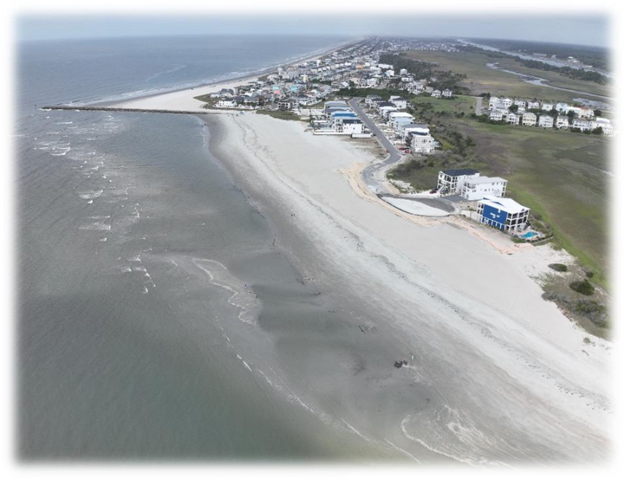
Ocean Isle Beach Terminal Groin
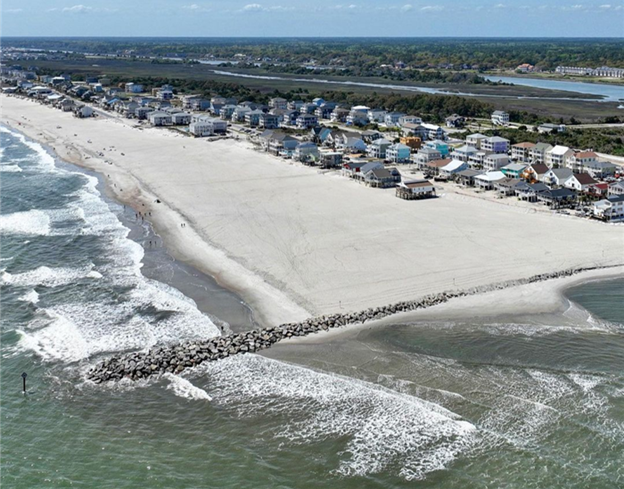 Ocean Isle Beach completed construction of a terminal groin on its east end in April 2022 to help protect the beach immediately behind it. However, this structure has contributed to significant erosion at the east end near Shallotte Inlet by interrupting natural longshore drift, prompting ongoing efforts such as sandbag use to prevent ocean encroachment on properties in that area.
2024 OIB SHORELINE AND INLET ANNUAL MONITORING REPORT
On Holden Beach, the recent volume change rates (May 2024 to November 2024) along the oceanfront shoreline indicated erosion at 12 of the 21 monitoring stations. Similarly, the MHW shoreline change rates indicated a shoreline retreat at 15 of the 21 monitoring stations. The long-term post-construction linear shoreline changes along the Holden Beach oceanfront shoreline indicated landward retreat. However, volumetric changes indicated slight accretion (0.2 cy/ft./yr.) within this area over the long-term period. The shoreline threshold analysis results along the Holden Beach oceanfront shoreline show that the post-construction shoreline change threshold was exceeded at only one monitoring station. This is the first time a threshold has been exceeded at Holden Beach since this annual analysis started in 2022. In addition, the analysis of May 2024 aerial imagery-derived wet/dry line revealed an 885 ft. section of Holden Beach’s inlet shoreline that exceeded the inlet shoreline threshold by a maximum distance of 100 feet. The inlet shoreline threshold on Holden Beach was also exceeded in Year-2. This marks two straight years where this threshold was exceeded. The inlet shoreline recession is believed to likely be attributed to a combination of morphological changes within Shallotte Inlet including the position and orientation of the main channel through Shallotte Inlet and the formation of a flood channel on the inlet shoulder of Holden Beach. Regardless, as stated in the Plan, because the shoreline changes in this area exceeded the threshold over the entire 2-year confirmation period, an assessment of the proper responsive measures will be made through coordination with State and Federal regulatory officials.
 East End/Terminal Groin Short Term Mitigation
As required by State and Federal permits associated with the Town’s Shoreline and Inlet Management Plan, annual shoreline monitoring identified erosion east of the terminal groin that exceeded established management thresholds. To maintain permit compliance and address localized erosion concerns, the Town implemented a short-term mitigation project consisting of targeted beach nourishment east of the terminal groin.
Project Update
-
- Project completed: May 24, 2026
- Sand placed: Approximately 45,000 c/y
- Engineer: Coastal Protection Engineering
- Contractor: Southwind Construction
- Total project cost: $667,696.61
This project, along with the US Army Corps of Engineers – Shallotte Inlet Crossing & Widener Project, placed 70,000 cy of sand east of the terminal groin with another 35,000 cy west of the terminal groin. With this short-term mitigation measure in place, the Town has engaged with Coastal Protection Engineering (CPE) to investigate long-term mitigation plans to prevent any further erosion adjacent to the terminal groin.
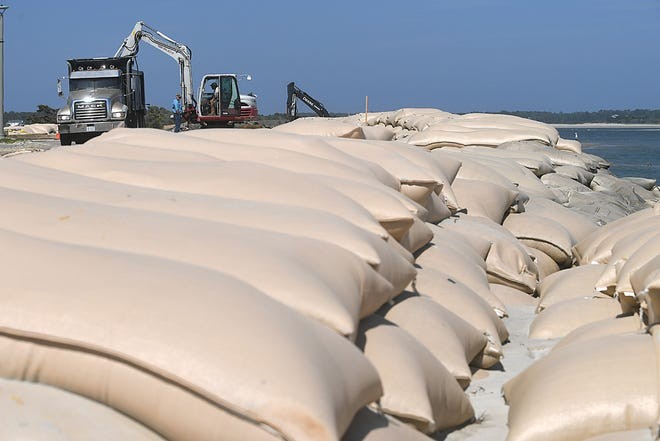
Saving homes or beaches? NC faces tough call on seawall ban
A new report says placing hardened structures along the N.C. oceanfront could help with chronic erosion woes. But they come with plenty of risk.
North Carolina’s love-hate relationship with hardened structures along the oceanfront is heating up. From the Outer Banks in the north to Ocean Isle Beach in the south, many portions of North Carolina’s 320 miles of oceanfront are dealing with erosion woes that are threatening homes, infrastructure and coastal economies. Coastal officials have long complained that the state’s ban, although softened in recent years, on hardened structures along the oceanfront like seawalls and jetties leaves them with few options beyond expensive beach nourishment to deal with the shifting sands. Environmentalists and others say the ban protects the natural beauty and feel of North Carolina’s beaches while reinforcing that there are simply some places that we shouldn’t be developing. They also note that hardened structures often do little but move the erosion woes to other parts of the beachfront. In June 2026, the N.C. Coastal Resources Commission’s Science Panel released its draft report on the effects of hardened structures on the coast. The report, while not taking sides on the state’s four-decade-long ban on permanent structures along the beachfront, is meant to provide guidance for regulators and policymakers as they debate the emotionally charged issue.
How did we get here?
North Carolina’s existing rules on oceanfront construction are largely based on using a 30-year setback rule. The thinking was that a 30-year window of sand and dunes in front of a structure would give homeowners and local communities a chance to come up with a long-term solution if the ocean started encroaching on oceanfront properties. But structures these days often last longer than 30 years, and the environmental conditions of the 1970s aren’t the same as those the coast is facing today. Storms are bigger and more powerful than those of last century thanks to climate change, and sea-level rise is increasing. Sea level is expected to rise by a foot or more by 2050 from today’s levels, amplifying the impacts of tidal flooding and storms that aren’t even tropical in nature. As environmental conditions grow more challenging, oceanfront homes are tumbling into the water. In Rodanthe and Buxton on the Outer Banks, more than 30 homes have collapsed since 2020. Closer to Wilmington, sandbags now line stretches of beachfront in North Topsail Beach, Figure Eight Island and Ocean Isle Beach, offering the last line of protection for million-dollar homes.
‘Maintain a cautious approach’
With pressure mounting on officials to come up with some solutions to disappearing beaches, the science panel was asked to look into shoreline management, both in N.C. and other states, and examine the pros and cons of different measures − particularly the use of oceanfront hardened structures. “Recent erosion impacts in several North Carolina oceanfront communities have brought shoreline management issues back to the forefront, prompting questions about whether alternatives to beach nourishment should be considered to address chronic erosion,” states the report. But the science panel makes it crystal clear that hardening the shoreline to prevent the natural movement of beaches and dunes landward will likely lead to, first, a narrower and then likely a disappearing beach in front of the structure. Groins and jetties, while helping the beach adjacent to them, also end up “starving” beach areas downdrift of the structures. The volunteer panel, however, also noted that securing the shoreline could offer coastal communities an economic lifeline. “The panel therefore recommends that North Carolina maintain a cautious approach to any expansion of the use of hardened structures and that any major reconsideration of the state’s oceanfront management policies include a broad and comprehensive assessment of the physical, ecological, recreational, and economic consequences of expanded use, including consideration of who will likely benefit and who will likely suffer adverse effects, prior to policy modification,” the report states.
Legislators getting involved
As erosion threatens more oceanfront properties, infrastructure, and the coast’s vital tourism industry, legislators are taking notice and proposing solutions. A bill working its way through the N.C. General Assembly could permanently change the face of the state’s coast. Senate Bill 1009, would lift the state ban on hardened structures, including seawalls, jetties and terminal groins, low-slung structures built perpendicular to the shoreline that helps trap sand in areas of high erosion, such as near inlets. Proponents of the legislation say times along the coast have changed, and state policy needs to match the new realities that residents, visitors and local officials are dealing with along the oceanfront. While current rules push beach communities to favor nourishment, enhanced dune systems, and other “natural” approaches to shoreline management, some say more permanent and immediate solutions are sometimes required. Beach nourishment isn’t cheap, with even small projects costing millions, and can be a regulatory challenge if you have to find compatible beach sand that is often in short supply. In places like the Outer Banks, officials have said trying to maintain more than 80 miles of beachfront simply isn’t feasible under current rules and regulations. And to be truly effective, nourishments have to be repeated every few years due to natural erosion and storm-related events − heaping more pressure on state and local budgets that already face a lot of funding priorities. Environmentalists and coastal advocates say installing hardened structures to control erosion means picking winners and losers along the oceanfront, since they will end up taking sand from other parts of the beachfront. There also can be environmental impacts, such as the loss of habitat and beaches for nesting sea turtles and shorebirds. Greg “Rudi” Rudolph, a member of the science panel, said there’s no “magic bullet” for North Carolina’s oceanfront erosion issues, with each possible solution carrying pros and cons. He also said many of the shoreline management tools need to be done in conjunction with each other to offer a truly effective long-term solution, such as a groin and periodic nourishment. “There are trade-offs, there are benefits, and there are costs,” Rudolph said. “That’s what makes this so challenging.”
Read more » click here
Odds & Ends
This beach ranks No. 1 in NC. Here’s what makes it an ‘idyllic’ getaway spot
A coastal destination has a peaceful setting — and was named the best beach in North Carolina. Holden Beach ranks No. 1 on a list of the state’s top places for sun and surf. And in a state that boasts hundreds of miles of coastline, plenty of popular beach destinations earned spots in the top 10. “Sandy expanses in the Tar Heel State are often remote and rarely crowded, and a charming Southern coastal town is seldom far away,” USA Today’s 10Best wrote in its May 27 report. To create the list, 10Best said it asked travel experts to nominate top-notch beaches across the state. Editors narrowed down the list of nominations before readers could spend a month voting on their favorites.
What makes Holden Beach special?
On the resulting list of readers’ choice award winners, Holden Beach rose to the top. The town is in Brunswick County, near the South Carolina border and a roughly 40-mile drive from Wilmington. “With a particularly idyllic atmosphere thanks to its low population, Holden Beach is perfect for a relaxed seaside getaway,” 10Best wrote in its report. “Golfing is a popular hobby across the area, while visitors gather along the town’s shores to scour the tide for shells and even watch hatching sea turtles during the summer months.” Holden Beach has fewer than 1,000 year-round residents but can swell with tourists. The town boasts roughly 8 miles of beachfront and calls itself a family-friendly destination, according to its website and the holdenbeachnc.com tourism guide. “Holden Beach is proud of what we do not have,” the town wrote. “We are primarily a residential community, with a small commercial area. Holden Beach is a great place to relax, enjoy the beach and the natural wildlife that surrounds us.”
Which other NC beaches rank high?
Here are the other North Carolina destinations that earned spots on the 10Best list:
-
-
- Surf City at No. 2
- Atlantic Beach at No. 3
- Topsail Beach at No. 4
- Carolina Beach at No. 5
- Cape Lookout National Seashore at No. 6
- Corolla at No. 7
- Indian Beach at No. 8
- Wrightsville Beach at No. 9
- Kure Beach at No. 10
-
Holden Beach was crowned the winner after it landed at No. 3 in last year’s rankings. More recently, other North Carolina getaway spots have surged into the spotlight. The Outer Banks barrier islands ranked among the nation’s best places for family vacations. And the town of Beaufort was named a fan-favorite coastal destination, The Charlotte Observer and The News & Observer previously reported. In the past, 10Best has told The N&O it doesn’t share the number of people who vote in its contests.
Read more » click here
This Brunswick County beach is a top summer ‘playcation’ destination
A Brunswick County beach is emerging as a popular vacation destination this summer, according to Airbnb. The rental agency says several North Carolina coastal towns are seeing an increase in summer travel, exemplifying a growing vacation trend across the country. Airbnb released a report on May 8, 2026, that revealed how people in the United States are traveling this summer. The report says that Airbnb has seen a noticeable increase in domestic travel so far. It also highlighted several trends, including a rise in what Airbnb calls “playcations.” Airbnb says that Holden Beach has been swept up in this trend as the town is shaping up to be one of the top destinations for summer.
What is a playcation?
True to its name, a playcation is a vacation centered around play. According to Airbnb, “Action-packed adult ‘playcations’ are defining summer travel in the US, with travelers seeking out nearby destinations to partake in their favorite activities.” As a result, Airbnb said that listings near golf courses, lakefronts, and surf spots have seen some of the highest booking growth for this summer. Simply put, Airbnb says that adults are traveling to places with lots of activities available. As far as Holden Beach goes, Airbnb says “mellow surfing conditions and a laid-back vibe” are putting the town on the map for travelers. And while Airbnb didn’t specifically take note of it, Holden Beach is also in close proximity to several golf courses, another popular element of playcations. Two other coastal towns in North Carolina — Kill Devil Hills and Nags Head — were also highlighted in Airbnb’s summer trends report.
Things to do in Holden Beach
Even if you aren’t surfing, there’s plenty to do in and around Holden Beach.
-
- Olden Holden Bike Tour: Learn a bit about the island’s history and take in the natural beauty with this bike tour. Visit the town’s parks and recreation webpage for a downloadable map.
- Magic Mountain Fun Park: Kids and adults can cool off on the water slides. Open from 10 a.m. to 5 p.m. from Memorial Day to Labor Day, 3399 Holden Beach Road S.W., 910-842-2727.
- Treasure Island Mini Golf and Arcade: A miniature golf course, an indoor arcade, and more than 30 flavors of ice cream await. Open from 5 p.m. to 10 p.m., 3445 Holden Beach Road SW, 910-212-6838.
A new concert venue is also expected to open this summer.
Read more » click here
 Despite not having a pier we still managed to be a top summer destination
Hmm!
The beaches are the economic engine of our tourism-based economy.
Beach Access Trash Receptacles
Previously reported – April 2026
Staff will be moving receptacles to the roadside of the beach accesses. This will be easier to maintain even in the middle of the day when beach access is difficult. Despite objections from Commissioner Myers the majority of the Board decided to allow them to try this.


I strongly oppose this decision. I walk the beach strand four days a week and routinely pick up trash. Even though trash cans are out there, I typically pick up one to two bags per day this time of year, and more than three bags daily during peak tourist season. Based on this firsthand experience, I can say with confidence that reducing or removing trash cans will make an existing problem significantly worse. When trash cans are full, people leave their garbage next to them. When cans are removed, due to storm events, people continue to leave trash where the cans used to be. This behavior is consistent and predictable, and it is unlikely to change. Expecting the public to walk off the strand and up to street-level disposal points is unrealistic—they simply don’t or won’t do it. If anything, we should be making disposal easier, not more difficult. The practical solution is clear: more trash cans and more frequent pickups, especially during peak seasons. This service is currently funded through the BPART account, so cost should not be a barrier to maintaining or improving it. There are also logistical inconsistencies that need to be addressed. For example, some trash cans on the strand are located in front of oceanfront homes where there is no public beach access. What is the plan for locations like this? As it stands, this approach gives the impression that operational convenience is being prioritized over maintaining a clean and safe public environment. Additionally, the suggestion that mid-day pickups are too difficult does not reflect operational reality. Trash collection should occur early each morning on a daily basis to prevent overflow issues. With proper enforcement of ordinance (§94.06), including maintaining the required ten-foot corridor adjacent to the dunes, there should be adequate access for collection vehicles—even if a mid-day schedule is required. In short, reducing or removing trash cans will result in more trash on our beach.
Editor’s note –
If you would like to share your perspective on this matter, I encourage you to reach out to the Town Manager and the Board of Commissioners. Your input is valuable and can help inform their decisions.
Contact information:
alan@alanholdenrealty.com; tmmyers56@gmail.com; Dyer@hbtownhall.com;
pate@hbtownhall.com; smith@hbtownhall.com; brown@hbtownhall.com; bryan.chadwick@hbtownhall.com
This and That
Water Alert
THB Newsletter (06/26/26)
MANDATORY Water Conservation Alert Issued
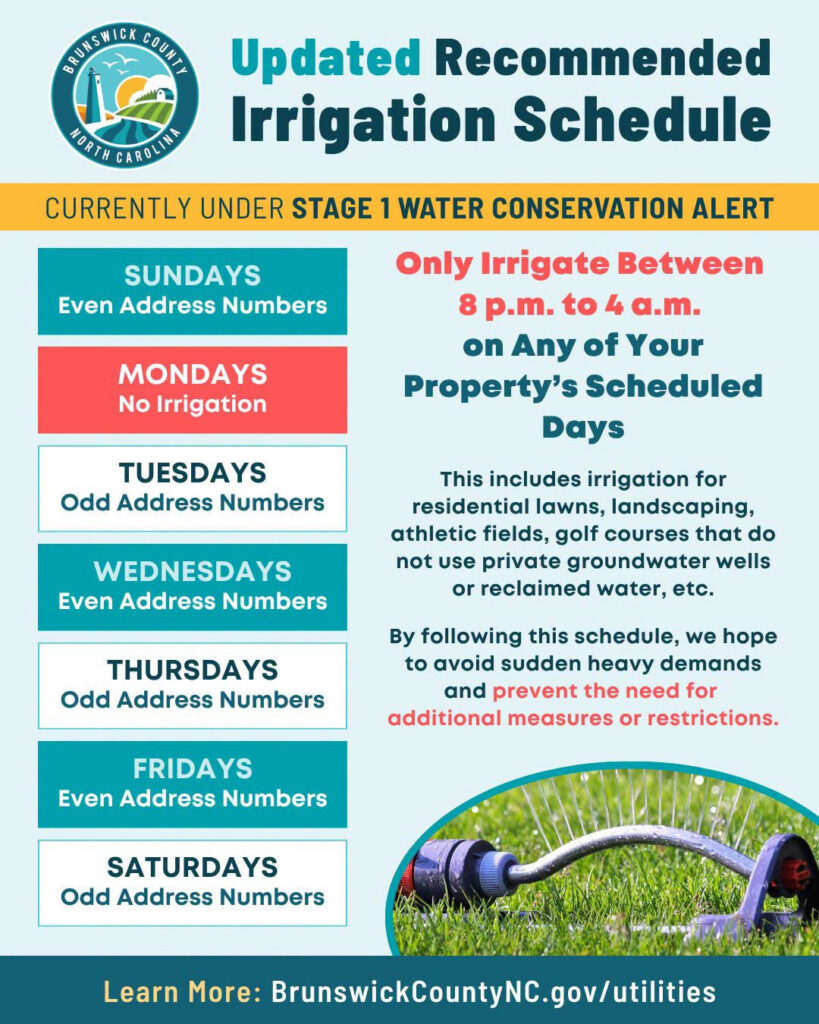
Brunswick County has moved to a Stage 2 MANDATORY Water Conservation Alert that encourages compliance through both warnings and fees. Residents are urged to follow best practices to help ensure water is available for essential needs and to prevent the need for additional measures or restrictions.
Under a Stage 2 MANDATORY Water Conservation Alert, water system customers are required to make adjustments to their water usage habits to appreciably reduce peak demands by at least 10%. It requires water customers to only use their irrigation systems between the hours of 8:00 p.m. to 4:00 a.m. on their respective days:
-
- All address numbers: No irrigation on Mondays
- Odd address numbers and non-addressed facilities: Tuesday, Thursday, Saturday (only between 8:00 p.m. to 4:00 a.m.)
- Even address numbers: Wednesday, Friday, Sunday
(only between 8:00 p.m. to 4:00 a.m.)
Click here to view the full list of restrictions.
Brunswick County issues mandatory water restrictions
Brunswick County Public Utilities customers must restrict the times and days in which they use irrigation systems or face possible fines. The county is now under extreme drought conditions, according to the most recent update from the North Carolina Drought Management Advisory Council. Drought conditions are “contributing significantly” to rising irrigation demands and “the availability of source water from the Cape Fear River,” according to a county release. To prevent the need for additional water restrictions, particularly as the Fourth of July holiday weekend approaches, the county announced it has moved to a stage 2 mandatory water conservation alert. The alert applies to residents in unincorporated areas of the county, Boiling Spring Lakes, Bolivia, Calabash, Carolina Shores, Caswell Beach, Navassa, Northwest, Sandy Creek, Shallotte, Southport, St. James, Sunset Beach, and Varnamtown. Customers of Bald Head Island, Holden Beach, Oak Island and Ocean Isle Beach utilities, which receive their water from Brunswick County Public Utilities, are under the same restrictions. “Brunswick County asks these customers to diligently use water wisely,” according to a county release. “Demand for water has exceeded 90% of the available production and distribution capacity. As Independence Day approaches, water demands are expected to increase.” Water customers may not use their irrigation systems on Mondays. Customers with odd address numbers and non-addressed facilities may irrigate on Tuesday, Thursdays and Saturdays. Those with even address numbers may use their irrigation systems on Wednesday, Fridays and Sundays. Irrigation systems may only be used between 8 p.m. and 4 a.m. This includes irrigation for residential lawns, landscaping, athletic fields, and golf courses that do not use private groundwater wells or reclaimed water. A complete list of prohibited uses of water is available online. Brunswick County Public Utilities will notify properties that may be out of compliance with the mandatory irrigation schedule “or other required actions” through the ReadyBrunswick notification system or contact information associated with the property’s utility account. Calls or messages through the BrunswickReady system will be made from 910-253-1977. Those who do not comply may be assessed with fees up to $300 and disconnection of their water service. Habitual offenders of the alert may receive penalties of up to $5,000 and water disconnection. County officials will continue monitoring drought conditions and water usage to determine whether to move to the next water shortage warning stage. A stage 3 water shortage warning prohibits the use of automatic sprinkler systems for residential and commercial lawn and landscapes. The alert does not apply to customers of Brunswick Regional – H2GO, private groundwater well users, or those using highly treated reclaimed wastewater. Residents may directly contact their water service provider with questions or Brunswick County Public Utilities at 910.253.2657 or utilityadmin@brunswickcountync.gov. Additional information and updates may be found at brunswickcountync.gov/WaterWise.
Read more » click here
County under mandatory water conservation alert as drought conditions worsen
As drought conditions continue to worsen and Independence Day weekend approaches, Brunswick County has moved to a Stage 2 mandatory Water Conservation Alert that encourages compliance through both warnings and fees. This mandatory alert was issued after the C section of this edition of The Brunswick Beacon was printed. On pages C8 and C11, it is noted the county was recommending residents take action to limit water use. Those recommendations are now mandatory. Residents are urged to follow best practices to help ensure water is available for essential needs and to prevent the need for additional measures or restrictions. Drought conditions are exacerbating demands on water, particularly related to irrigation use. Irrigation demands represent the bulk of non-essential water use, so a primary way that customers can reduce water usage is to limit irrigation. The North Carolina Drought Management Council has classified the drought in Brunswick County as an Extreme Drought (D3) condition, which is contributing significantly to the increase in irrigation demands and the availability of source water from the Cape Fear River. Extreme Drought is the second-highest tier on the U.S. Drought Monitor scale and North Carolina statutes mandate that water systems implement significant water conservation measures. When Brunswick County issued a Stage 1 Voluntary Water Conservation Alert on June 9, parts of Brunswick County were only under Severe Drought (D2) conditions. Now, a majority of the county is under Extreme Drought (D3) conditions.
In accordance with the original voluntary water usage adjustments updated on June 25, the Stage 2 mandatory Water Conservation Alert requires water customers to only use their irrigation systems between the hours of 8 p.m. to 4 a.m. on their respective days (this includes irrigation for residential lawns, landscaping, athletic fields, golf courses that do not use private groundwater wells or reclaimed water, etc.):
-
- All address numbers: No irrigation on Mondays.
- Odd address numbers and non-addressed facilities: Tuesday, Thursday, Saturday (only between 8 p.m. to 4 a.m.).
- Even address numbers: Wednesday, Friday, Sunday
(only between 8 p.m. to 4 a.m.).
A key difference between the Stage 1 Voluntary Water Conservation Alert and the Stage 2 mandatory Water Conservation Alert is that non-compliance may result in the assessment of significant fees and possible discontinuation of water service. Brunswick County will be monitoring irrigation use as long as the Stage 2 Water Conservation Alert is in place. Brunswick County Public Utilities will notify properties that may be out of compliance with the mandatory irrigation schedule or other required actions through the ReadyBrunswick notification system and/or using the contact information associated with the property’s utility account. Phone calls or messages issued through the ReadyBrunswick notification system will come from the phone number (910) 253-1799 (this phone number is automated and cannot receive incoming calls). Brunswick County will continue to monitor the drought conditions and water usage to determine whether a Stage 3 Water Shortage Warning with Mandatory Restrictions may become necessary. In Stage 3, any use of automatic sprinkler systems for residential and commercial lawn and landscape irrigation is prohibited.
Who Is Affected by This Mandatory Water Conservation Alert?
This water conservation alert affects all customers of the following public water systems:
-
- Brunswick County Public Utilities Customers (see below for more details).
- Bald Head Island Utilities Customers.
- Holden Beach Utilities Customers.
- Oak Island Utilities Customers.
- Ocean Isle Beach Utilities Customers.
Brunswick County Public Utilities provides water service in unincorporated portions of Brunswick County as well as the following communities: Boiling Spring Lakes, Bolivia, Calabash, Carolina Shores, Caswell Beach, Navassa, Northwest, Sandy Creek, Shallotte, Southport, St. James, Sunset Beach and Varnamtown. Brunswick County asks these customers to diligently use water wisely. Demand for water has exceeded 90% of the available production and distribution capacity. As Independence Day approaches, water demands are expected to increase. Utilities customers of Bald Head Island, Holden Beach, Oak Island, and Ocean Isle Beach are under the same restrictions since these utilities receive their water from Brunswick County Public Utilities.
Who is NOT Affected by This Water Conservation Alert?
-
- This alert does not apply to customers of Brunswick Regional — H2GO. Check Brunswick Regional — H2GO’s website for information about any water conservation or best practices they may have issued for their customers at h2gonc.gov.
- This alert does not affect the use of private groundwater wells or those using highly treated reclaimed wastewater (St. James, Winding River, Sea Trail and Sandpiper Bay golf courses use reclaimed water; other golf courses use wells and ponds for irrigation).
The cooperation of all water customers is essential during a Stage 2 mandatory Water Conservation Alert. Failure to comply may result in the assessment of the non-compliance fees up to $300 and water disconnection for standard non-compliance. If allowed to reconnect after disconnection, reconnection fees would also apply. Habitual and/or gross offenses of the mandatory Stage 2 Water Conservation Alert may receive penalties of up to $5,000 and water disconnection. This is not a water quality advisory, it is a mandatory water conservation alert. There is no need to boil water for potable use unless you receive a low-pressure advisory notice for your specific area due to other conditions in the water distribution system. Residents will be notified if any other conservation measures are needed and when conditions dictate that restrictions are no longer required. Residents who have questions should contact their water service provider directly or Brunswick County Public Utilities at (910) 253-2657 or utilityadmin@brunswickcountync.gov. A full list of the county’s best water usage practices is included on page C11 of this paper. Information and any updates can be found at brunswickcountync.gov/WaterWise.
Read more » click here
Brunswick County warns of total lawn watering ban if drought doesn’t ease
Brunswick County is warning residents that a complete ban on automatic lawn and landscape irrigation could be coming if extreme drought conditions do not improve. The county is currently under a Stage 2 Mandatory Water Conservation Alert, driven by Extreme Drought, designated D3 on the U.S. Drought Monitor scale, the second-highest tier. If conditions worsen, officials said a Stage 3 Water Shortage Warning would prohibit all automatic sprinkler use for residential and commercial properties. The Stage 2 designation carries legal weight. Unlike the previous Stage 1 voluntary alert, residents who do not follow the mandatory irrigation schedule can face significant fees and water service termination. Brunswick County Public Utilities said it is actively monitoring irrigation use. Properties found out of compliance will be contacted through the ReadyBrunswick notification system or via the utility account on file. Automated calls will come from 910-253-1799, which cannot receive incoming calls, officials said.
Under the mandatory schedule, irrigation is limited to less than one inch of water per week and may only run between 8 p.m. and 4 a.m. on designated nights, determined by address number:
-
- Odd-numbered addresses (ending in 1, 3, 5, 7, or 9) and non-addressed facilities: Tuesdays, Thursdays, and Saturdays
- Even-numbered addresses (ending in 2, 4, 6, 8, or 0):
Wednesdays, Fridays, and Sundays — plus midnight to 4 a.m. on Mondays - No irrigation is permitted for odd addresses on Mondays
The restrictions apply to residential lawns, landscaping, athletic fields, and golf courses not using private groundwater wells or reclaimed water. Residents can find updates here.
Read more » click here
Worst drought in 15 years strains water system
Brunswick County’s extreme drought condition has prompted mandatory water conservation measures as high demand pushes the county’s water system beyond its normal operating capacity. The North Carolina Drought Management Advisory Council (DMAC) recently classified most of Brunswick County as being in extreme drought, the second highest category on the U.S. Drought Monitor. It marks the first time the county has reached the classification since 2011. Based on precipitation from January through May, 2026 is already the third driest year in the past 132 years in the county, according to the National Integrated Drought System. Following another week of below-average rainfall, streamflow’s in the lower Cape Fear basin reached daily record lows, according to the DMAC’s June 23 update. Those conditions on June 26 triggered Brunswick County’s Stage 2 Mandatory Water Conservation Alert, which requires customers served by Brunswick County Utilities and the municipalities that purchase county water to limit irrigation to designated days between 8 p.m. and 4 a.m. Brunswick County Code of Ordinances Sec. 1-13-142 lists all the activities that are prohibited during a stage 2 water shortage emergency. This list includes washing the exterior of homes, filling newly constructed swimming pools and intentionally wasting water. Brunswick County Public Utilities Director John Nichols said the current problem is demand. It is not that there is a lack of available water supply for our system to distribute, but rather that irrigation demand because of this year’s dryness has spiked the watering of grass. “While water levels have been lower during the drought,” Nichols said, “we haven’t seen them get to a point that really affected the amount of water that we could take in from the Cape Fear River.” The county draws water from the Cape Fear River at its Northwest Water Treatment Plant and supplements that supply with groundwater from the Castle Hayne aquifer. Nichols said the groundwater plant has so far been able to supply sufficient water and that he has not yet seen a significant decline in the aquifer. Instead, the challenge is the sheer volume of water customers are using at the same time. Demand has exceeded 90% of the county’s permitted treatment capacity. While the county’s treatment facilities are capable of temporarily producing more than their permitted capacity, doing so can reduce water pressure throughout the distribution system, Nichols said. “It’s not a good situation for us to be in,” Nichols said, “and we try to avoid that through conservation measures.” Lower water pressure is more likely to occur in areas served by smaller water mains, though those locations are scattered throughout the county. Maintaining adequate pressure is critical for essential services, and that includes fire protection, Nichols said. Before the restrictions took effect, the county’s highest water demand typically occurred between about 4 a.m. and 11 a.m., when many irrigation systems automatically turned on. Since the stage 2 alert went into effect June 26, Nichols said that peak has shifted to around 8 p.m., when irrigation is first allowed under the mandatory schedule. He thanked customers who are meeting the requested schedule. “That spreads out our peak on the system,” Nichols said, “and allows us to maintain essential water in our storage tanks for firefighting capabilities.” The county is currently giving customers time to adjust before issuing penalties. Using its advanced metering infrastructure, Brunswick County monitors irrigation use and sends daily notices to customers whose watering schedules appear to be out of compliance, Nichols said. “We do recognize it takes some time to change your irrigation schedule,” Nichols said, “but there will be a time when we will assess [fees].” Under the stage 2 mandatory conservation alert, customers who repeatedly fail to comply may face fees or possible water service disconnection. Municipalities that have their own water systems may also monitor irrigation and assess fees, Nichols said. Brunswick County is experiencing a residential development boom that has caused many residents to question whether rapid development led to this water shortage. Nichols acknowledged that development is increasing the need for water but said that the county is prepared. It has a “comprehensive and robust master plan” that has more than $1 billion in water system upgrades scheduled over the next 20 years, he said. “We recognize what needs to be done,” Nichols said, “and we’re taking steps to do it. … I think the key thing is we’re having a really significant drought right now, but also our Northwest Water Treatment Plant has been delayed, so that’s had a significant impact on the production.” The plant upgrade is scheduled to finish in September, according to the contractor’s latest schedule, Nichols said. The new plant will have roughly double the production capacity and provide reverse-osmosis treatment. While the North Carolina Supreme Court has prohibited counties from imposing many types of impact fees on developers, Brunswick County does impose system development fees. Those fees are used only for expansion projects, Nichols said. Some of the cost incurred by development, however, does fall on existing taxpayers.
Read more » click here
THB Newsletter (07/10/26)
Stage 3 Water Shortage Warning MANDATORY Restrictions
As of July 10, 2026, Brunswick County has moved to a Stage 3 Water Shortage Warning MANDATORY Restrictions until further notice due to worsening drought conditions. Under Stage 3, all automated outdoor irrigation is prohibited. Full details about all the restrictions are outlined at BrunswickCountyNC.gov/WaterWise.
Nearly a third of Brunswick County is now under an Exceptional Drought (D4), which is the highest tier of drought possible. Under the Stage 3 alert level, water customers are required to adjust their water usage habits by following the MANDATORY water usage adjustments.
Holden Beach is monitoring water usage for all water customers and will be issuing penalties for violations.
THB Newsletter (07/17/26)
Stage 3 Water Shortage Warning MANDATORY Restrictions
As of July 17, 2026, Brunswick County remains in an Exceptional Drought according to the most recent update from the North Carolina Drought Management Advisory Council.
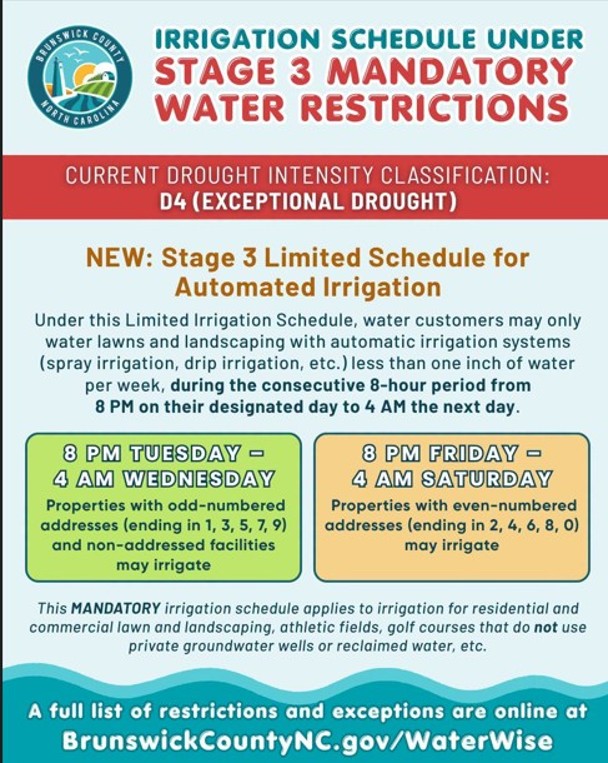
Due to the Exceptional Drought conditions, Brunswick County will remain under the Stage 3 Water Shortage Warning but will make slight changes to the MANDATORY restrictions list to allow for the use of automated irrigation systems once a week only (see below). This limited schedule would apply to automatic sprinkler systems for residential and commercial lawn and landscape irrigation.
Brunswick County will continue to monitor the drought conditions and water use to determine whether any changes to the Stage 3 Mandatory Restrictions (including the new limited irrigation schedule) may become necessary.
MANDATORY Schedule — Penalties for Non-Compliance Apply
Under this Stage 3 Limited Irrigation Schedule, water customers may only water lawns and landscaping with automatic irrigation systems (spray irrigation, drip irrigation, etc.) less than one inch of water per week, between the hours of 8:00 p.m. to 4:00 a.m. on their designated day (see below).
-
- Properties with odd-numbered addresses (ending in 1, 3, 5, 7, 9) and non-addressed facilities may irrigate during the consecutive 8-hour period from 8:00 p.m. on Tuesday through 4:00 a.m. Wednesday
- Properties with even-numbered addresses (ending in 2, 4, 6, 8, 0) may irrigate during the consecutive 8-hour period from 8:00 p.m. on Friday through 4:00 a.m. Saturday
Holden Beach is monitoring water usage for all water customers and will be issuing penalties for violations. A full list of MANDATORY water usage adjustments and any exceptions can be found online at BrunswickCountyNC.gov/WaterWise.
Stage 3 MANDATORY Water Restrictions Now In Effect — Use Water Wisely
Current Water Conservation Alert Level:
Stage 3 Water Shortage Warning MANDATORY Restrictions
As of July 10, 2026, Brunswick County has moved to a Stage 3 Water Shortage Warning MANDATORY Restrictions until further notice due to worsening drought conditions. Under Stage 3, all automated outdoor irrigation is prohibited. There are certain exemptions for commercial power washing and commercial car washing. Full details about all restrictions and fees are outlined on this webpage.
Nearly a third of Brunswick County is now under an Exceptional Drought (D4), which is the highest tier of drought possible. Under the Stage 3 alert level, Brunswick County Public Utilities water customers are required to adjust their water usage habits by following the MANDATORY water usage adjustments.
Brunswick County is monitoring water usage for all water customers using the County’s public water system and is issuing penalties for violations. This applies to all water customers, including wholesale customers, residents, businesses, new developments, etc. Learn more about the Stage 3 non-compliance penalties and fees below.
Brunswick County is actively monitoring the drought conditions and customers’ water usage to determine whether a Stage 4 Water Shortage Warning with Mandatory Restrictions may become necessary. In Stage 4, most outdoor irrigation methods are prohibited and penalties for non-compliance will increase.
For more information » click here
Stage 3 Water Shortage Alert: Addressing Water Usage Questions
PUBLIC NOTICE
Brunswick County appreciates the cooperation and commitment of our water customers who have taken diligent steps to follow the Stage 3 Water Shortage Warning MANDATORY Restrictions and the local burn ban while Exceptional Drought (D4) conditions are affecting our county. Exceptional Drought (D4) is the highest tier of drought possible on the U.S. Drought Monitor scale.
Your efforts to limit irrigation and other non-essential uses of water in and around your property are making a significant impact on protecting our water resources and public safety during this Exceptional Drought period. Thank you for helping spread out the demands on our public water system.
Addressing Questions About Water Usage Under Stage 3 Restrictions
Brunswick County has received some questions about allowed water usage under Stage 3 Water Shortage restrictions that we wish to clarify for customers. Thank you for your questions and patience as we work together to help conserve water during this Exceptional Drought period.
Can I fill my pool under Stage 3 Water Shortage restrictions?
The filling of family, public, or private swimming pools, including wading pools, hot tubs, spas, and whirlpool tubs, is prohibited, except for:
-
- Health and rehabilitative purposes as prescribed by a medical doctor or administered by a medical facility (documentation of fill dates to be provided upon request);
- The minimal amount of make-up water necessary to maintain a pool’s structural integrity and filtration system (documentation to be provided upon request); and
- The minimal amount of water required to initially fill a pool to meet the manufacturer’s or designer’s requirements for structural integrity. The filling of the pool must be scheduled with Brunswick County Utilities during a minimal demand time. Contact Brunswick County Public Utilities to schedule via email at utilityadmin@brunswickcountync.gov.
Can irrigation companies and licensed inspectors test irrigation systems under Stage 3 Water Shortage restrictions?
Yes, irrigation companies and licensed inspectors performing home irrigation inspections can run irrigation systems for up to five (5) minutes for testing. Please provide an invoice or other documentation (inclusive of the inspection date) to the property owner in the event their account is flagged for non-compliant irrigating.
Can I irrigate recently installed sod under Stage 3 Water Shortage restrictions?
Automated outdoor irrigation can be used for maintaining newly installed landscapes, lawns, and erosion control projects that are under a written warranty and that were initiated prior to the issuance of the Extreme Drought Advisory on June 26, 2026, not to exceed the minimum rate necessary on the day of installation and for 28 days following installation, by means designed and operated to maximize water use efficiency and to prevent run-off and excessive watering. Documentation verifying the installation date (inclusive of digitally date-stamped photos, the warranty, receipts with installation address, name, and phone number, etc.) must be provided via email to Brunswick County at utilityadmin@brunswickcountync.gov, and an approval email from Brunswick County must be received and kept in possession prior to irrigating.
Who is affected by these Stage 3 MANDATORY Water Restrictions?
This Stage 3 MANDATORY Alert affects all customers of the following public water systems:
-
-
- Brunswick County Public Utilities Customers (see paragraph below for more details)
- Bald Head Island Utilities Customers
- Holden Beach Utilities Customers
- Oak Island Utilities Customers
- Ocean Isle Beach Utilities Customers
-
Brunswick County Public Utilities provides water service in unincorporated portions of Brunswick County as well as the following communities: Boiling Spring Lakes, Bolivia, Calabash, Carolina Shores, Caswell Beach, Navassa, Northwest, Sandy Creek, Shallotte, Southport, St. James, Sunset Beach, and Varnamtown.
Utilities customers of Bald Head Island, Holden Beach, Oak Island, and Ocean Isle Beach are under the same restrictions since these utilities receive their water from Brunswick County Public Utilities.
Who is NOT affected by these Stage 3 MANDATORY Water Restrictions?
This Stage 3 MANDATORY Alert does NOT apply to properties that use water sources outside of the County’s public water system.
-
- Brunswick County Public Utilities does NOT have the authority to restrict, meter, or penalize water usage from private water sources such as:
- Private groundwater wells
- Retention ponds
- Brunswick Regional – H2GO’s water system. Customers of Brunswick Regional – H2GO should check their website for information about any water conservation or best practices they may have issued for their customers: h2gonc.gov
- Note: Many new developments, businesses, and golf courses irrigate using highly treated reclaimed water and other water sources outside of the County’s public water system. (St. James, Winding River, Sea Trail, and Sandpiper Bay golf courses use reclaimed water. Other golf courses use wells and ponds for irrigation.)
- Brunswick County Public Utilities does NOT have the authority to restrict, meter, or penalize water usage from private water sources such as:
Why is Brunswick County Public Utilities under more strict restrictions than other utility systems?
Every utility system has their own Water Shortage Response Plan that they follow to determine when to issue voluntary or mandatory water alerts. According to the U.S. Drought Monitor map released on July 9, 2026, Brunswick County is currently under Exceptional Drought (D4) conditions, which is the highest tier possible on the U.S. Drought Monitor scale.
When Brunswick County issued a Stage 2 Mandatory Water Conservation Alert on June 26, 2026, a majority of Brunswick County was under Extreme Drought (D3) conditions. Nearly a third of Brunswick County is now under Exceptional Drought (D4) conditions, which is contributing significantly to the increase in irrigation demands and may impact the availability of source water from the Cape Fear River.
You can view North Carolina Drought Management Advisory Council’s (NCMDAC) Current Drought Explainer at ncdrought.org.
Where can I find more information about Stage 3 Water Shortage restrictions?
A full list of MANDATORY water usage adjustments and any exceptions can be found online at BrunswickCountyNC.gov/WaterWise.
Community members and property owners who have questions should contact their water service provider directly or Brunswick County Public Utilities at utilityadmin@brunswickcountync.gov or through our temporary call center. Call center information can be found at BrunswickCountyNC.gov/WaterWise.
For more information » click here
Turtle Watch Program –
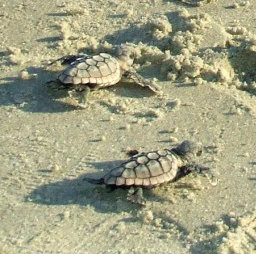
Turtle Watch Program – 2026
.
.
The first nest of the 2025 season was on May 21st
Average annual number of nests is 45
Current nest count – (71) as of 07/25/26
Members of the patrol started riding the beach every morning on May 1 and will do so through October looking for signs of turtle nests.
For more information » click here.
.Turtle Talks
The Holden Beach Turtle Watch Program conducts weekly educational programs on selected Wednesday evenings in June, July and August. Please check our Events Calendar for details on dates, times and locations. Seating is limited.
Children’s Turtle Time
Special programs for younger turtle enthusiasts are held at 4 p.m. on Wednesday afternoons in June, July and August on select dates.
Both programs are free of charge and will be held at the Holden Beach Chapel.
How you can protect sea turtles at NC beaches during nesting season
People aren’t the only folks flocking to North Carolina’s beaches as the weather warms up. In the coming weeks, beachgoers could find themselves sharing the sand with mamma sea turtles and shorebirds looking for a spot to start a new family. Already, skimmers, oystercatchers and other birds are vying for space on the sandy spits at the tips of barrier islands like Wrightsville Beach, and North Carolina has already seen one false crawl by a sea turtle even though sea turtle nesting season doesn’t generally start until May 1, according to the N.C. Wildlife Resources Commission. But sharing the beach can be a challenge, with the deck largely stacked against coastal wildlife as the lure of sand and the ocean keeps attracting more and more people to the N.C. coast − never mind the other challenges the animals face in the wild off the beach. Still, officials say following a few simple rules can give the critters a flipper and wing up during their beach visit. “Seeing a sea turtle on the beach is a wonderful, rare experience,” said Terry Meyer, deputy and conservation director at the Karen Beasley Rescue and Rehabilitation Center in Surf City. “But just keep a respectful distance while enjoying it.”
One in 1,000
Sea turtle nesting season in North Carolina occurs from May through September. Female sea turtles emerge from the ocean at night, and using their flippers, dig an 18-inch-deep hole that will serve as the nest where she will deposit 80 to 120 eggs. After laying the eggs, she covers the nest and returns to sea. After about a 60-day incubation period, the hatchlings emerge and make their way to the ocean. Only about one in 1,000 hatchlings will live to reproduce. In 2025 North Carolina recorded 1,088 nests, with the first one recorded on Topsail Island on May 8, 2025. The first nest to emerge was a Kemp’s Ridley nest on Ocean Isle Beach on July 10, 2025. The vast majority of North Carolina nests were laid by loggerheads. Green sea turtle nest numbers are slowly increasing in the state, with Tar Heel beaches seeing 58 last year. There also were 10 Kemp’s Ridley nests.
Range of threats
Both in the water and on land, sea turtles face a range of threats. In the ocean, dangers range from entanglement in fishing gear to boat strikes to ingesting plastics and other trash. But that’s if the hatchlings even make it off the beach to have a life at sea. “Our No. 1 greatest threat by far is artificial lighting,” Meyer said. She said it’s the biggest concern because the lights can not only disorientate the nesting female as she comes ashore, but also hatchlings as they move toward the brightest light they see when they come out of their nest. In a perfect world, that’s the moon or the stars as they make their way toward the ocean. And it isn’t just exterior lighting that is a problem. Meyer said a recent study found 57% of the light pollution along the Topsail Island beachfront was from interior lights − a major concern since many oceanfront homes don’t have shades or curtains on their ocean-facing windows. Factor in a rotating mix of residents as vacationers cycle on and off the island almost weekly and it’s a constant battle for the turtle volunteers and others to get the message about lighting out there. “We just can’t stay ahead of the light situation,” Meyer said, noting volunteers hand out door hangers warning about the danger of keeping lights on at night and promote the use of turtle-friendly ambient light bulbs for exterior uses instead of traditional bulbs. “It’s definitely a challenge.” Predators like foxes and raccoons along with overanxious tourists eager to see and get selfies with a giant marine reptile that predates the dinosaurs are other challenges nesting sea turtles and their hatchlings can face. Climate change also is a growing concern. On the beach, the warming weather is increasing sand temperatures, which helps determine the sex of hatchlings as the buried eggs incubate. If the beach is warmer than 89 degrees, most of the hatchlings will be female; if it’s cooler more will be male. For a long time, researchers have believed that the cooler beaches in the Carolinas produced males to mate with the female-heavy hatchlings produced by the warmer beaches in Florida and along the Gulf Coast. But what will happen if all the country’s beaches get so warm that the vast majority of hatchlings are female? A warming climate, which scientists are predicting for North Carolina in the coming years, also could impact when sea turtles nest, prompting turtles to lumber ashore earlier than the traditional May start date.
‘Fill in those holes’
The Topsail Turtle Project, run by the sea turtle hospital, monitors the beaches in Topsail Beach, Surf City and North Topsail Beach. With volunteer groups in other beach towns along with federal and state agencies, officials monitor all 330 miles of ocean-facing sandy beaches in N.C. for sea turtle nests, stranded animals and even signs of false crawls. “We want them all counted, all documented,” Meyer said. “We want to know how many turtles we have.” If an injured or stressed sea turtle is found, it often ends up at the sea turtle hospital. As of April 21, the turtle hospital was treating 45 patients − most cold-stun victims from this winter that were slowly being nursed back to health. Kathy Zagzebski, the hospital’s executive director, said during the busy fall and winter season the facility sometimes deals with more than 100 turtles at a time, many cold-stunned animals brought down from New England for treatment. Recovery times can often take several months per turtle. As the weather warms up, the hospital sees fewer turtles being brought in suffering from hypothermia or other temperature-related issues. But the animals that are brought in are often those that have been accidently hooked by a fishermen or hit by a boat. “We usually see fewer turtles, but those that we do see probably require more treatment,” Kathy said. Like Meyer, Zagzebski said just taking a few steps and being considerate can help people and sea turtles better share the state’s coastal environment. “And fill in those holes,” she said, noting that holes dug on the beach can deter mother sea turtles from nesting and prevent hatchlings from reaching the ocean after they emerge from the nest.
Read more » click here
The N.C. Sea Turtle Project works with 20 different volunteer groups. Contact information for each is available at nc-wild.org/seaturtles/contacts, or call the statewide sea turtle hotline at 252-241-7367.
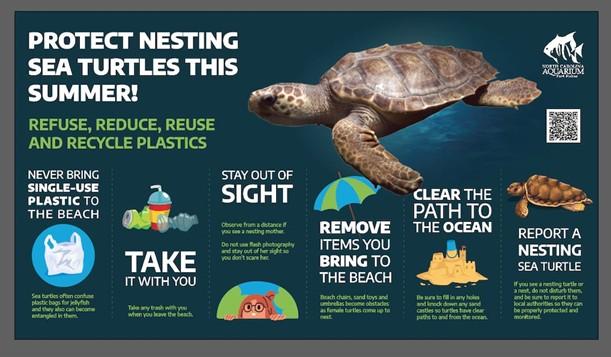
How North Carolina sea turtles are faring this summer
As the weather warms and the summer season heats up, people and turtles are crowding N.C. beaches. Here are some tips on how everyone can share the coast
The height of summer along the N.C. coast means several things: People hitting the beach for a vacation; steaming and sticky temperatures; the occasional pop-up afternoon shower; and female sea turtles lumbering ashore looking for a place to nest. But sharing the beach can be a challenge, with the deck largely stacked against coastal wildlife as the lure of sand and the ocean keeps attracting more and more people to the N.C. coast − never mind the other obstacles sea turtles face in the wild off the beach. While adapted to dealing with soaring temperatures, climate change is another growing challenge the marine reptiles face that could have significant impacts on the species’ future. Here’s a mid-season look at sea turtle nesting in North Carolina, which represents just about the northern range of the animal’s nesting habitat.
Nesting so far in 2026
Sea turtle nesting season in North Carolina occurs from May through September. Female sea turtles emerge from the ocean at night, and using their flippers, dig an 18-inch-deep hole that will serve as the nest where she will deposit 80 to 120 eggs. After laying the eggs, she covers the nest and returns to sea. After about a 60-day incubation period, the hatchlings emerge and make their way to the ocean. Only about one in 1,000 hatchlings will live to reproduce. Through July 2, 2026, North Carolina beaches had been busy, with sea turtles laying 1,054 nests, representing an estimated 36,107 eggs, according to statistics compiled by the N.C. Wildlife Resources Commission. As usual, the vast majority of nests are from loggerheads, with a handful of green and leatherback nests thrown in there. Areas with the most nests were Cape Hatteras National Seashore, Cape Lookout National Seashore, Oak Island, Topsail Island and Fort Fisher State Recreation Area. The first nest, surprisingly a leatherback, was recorded April 28 in Atlantic Beach, Carteret County. In 2025 North Carolina recorded 1,088 nests, with the first one recorded on Topsail Island on May 8, 2025. The first nest to emerge was a Kemp’s Ridley nest on Ocean Isle Beach on July 10, 2025. The state saw 1,385 nests in 2024, and 1,723 nests in 2023. That means 2026 is off to a generally strong start for the turtles, which have federal and state protections − although nest numbers can be highly variable from year to year.
Challenges mother and baby sea turtles face
Natural predators and excited, curious humans are some of the challenges turtles face while trying to nest. Officials recommend viewing a sea turtle on the beach from a respectful distance. Nests also are marked to keep humans a safe distance away and often covered in anti-predator cages to prevent foxes, coyotes and raccoons from digging them up. Occasionally, nests also are relocated if they are buried in areas suffering from severe erosion or if threatened from over wash by storms. Even if a mother successfully nests and the hatchling emerge from the sand, the challenges aren’t over. One of the biggest threats baby sea turtles on the beach face is beach lighting. Lights can not only disorientate the nesting female as she comes ashore, but also hatchlings as they move toward the brightest light they see when they come out of their nest. In a perfect world, which should be the moon or the stars as they make their way toward the ocean. And it isn’t just exterior lighting that is a problem. A recent study on Topsail Island found 57% of the light pollution came from interior lights − a major concern since many oceanfront homes don’t have shades or curtains on their ocean-facing windows. Factor in a rotating mix of residents as vacationers cycle on and off the island almost weekly and it’s a constant battle for the turtle volunteers and others to get the message about lighting out there.
How rising temperatures could impact sea turtles
Climate change also is a growing concern among turtle researchers. On the beach, the warming weather is increasing sand temperatures, which helps determine the sex of hatchlings as the buried eggs incubate. If the beach is warmer than 89 degrees, most of the hatchlings will be female; if it’s cooler more will be male. For a long time, researchers have believed that the cooler beaches in the Carolinas produced males to mate with the female-heavy hatchlings produced by the warmer beaches in Florida and along the Gulf Coast. But what will happen if all the country’s beaches get so warm that the vast majority of hatchlings are female? A warming climate, which scientists are predicting for North Carolina in the coming years, also could impact when sea turtles nest, prompting turtles to lumber ashore earlier than the traditional May start date.
Tips if you see a nesting sea turtle
Here are some recommendations by the state wildlife commission on how beach visitors can help protect sea turtles during nesting season.
-
- Minimize beachfront lighting by turning off, shielding or redirecting lights away from the beach.
- Close blinds and curtains in oceanfront rooms at night to keep indoor lighting from reaching the beach.
- Remove chairs, umbrellas, beach toys and boats from the beach at night so they don’t interfere with nesting sea turtles or hatchlings.
- Use your natural vision and moonlight when walking the beach at night.
- If you encounter a sea turtle on the beach, remain quiet and still and observe from a respectful distance.
- If you encounter tracks on the beach, leave them alone. Researchers use them to determine the species of nesting turtle and to locate nest sites.
- If you come across a sea turtle or a nest, contact the beach’s local sea turtle monitoring organization.
Contact information for the groups is available at nc-wild.org/seaturtles/contacts, or call the statewide sea turtle hotline at 252-241-7367.
Read more » click here
Fauna & Flora –

NC State Native Plant Resources » click here
NC Native Plants for Pollinators » click here
NC Sea Grant Coastal Landscapes » click here
New Hanover County Arboretum Native Plant Garden » click here
Audubon Native Plant Database » click here
North Carolina Extension Gardener Plant Toolbox » click here
Fauna & Flora » click here
Holden Beach recommended plant list – deer resistant & salt tolerant
5 native plants to transform your hot, dry Wilmington-area garden
Wilmington has sandy soils and periods of intense heat and prolonged dry spells. Not everything grows well here, but these trees, shrubs and flowers do
Wilmington isn’t New England, Ohio, Florida or even California. That’s one of the reason’s the Cape Fear region attracts so many new residents every year who might be looking for something a bit different from where they’ve previously lived. But for those newcomers looking to practice their green thumb, the region’s largely sandy soils mixed with stretches of intense heat and extended periods of dry weather can make maintaining a yard a challenge, because trees, shrubs and flowers that might grow well in the dark, rich soils of Pennsylvania will likely struggle down here. Choosing native greenery not only offers you a better chance of success, but also appeals to native wildlife, birds and pollinators. Climate change is another reason coastal homeowners might want to go native when it comes to their gardens. With natives often more drought- and heat-tolerant than non-native plants, and with longer periods of dry, hot weather forecast for North Carolina in coming decades, they could be a hardier bet than exotics from another part of the country or world. Native coastal plants are also generally better able to withstand salt water, which can make them a better alternative for waterfront homeowners with sea levels projected to keep rising in coming decades and tide surges set to increase. Here are five native and popular trees, shrubs and flowers that can offer gardeners a colorful kaleidoscope of choices that appeal to everyone and everything that might frequent your garden.
Yaupon holly
An evergreen shrub common in the state’s coastal plain, Yaupon holly is a colorful, fast-growing plant that brings color to any garden in the form of while flowers in spring and red berries in the fall and winter. Yaupon holly comes with several built in advantages for homeowners, including that it is deer-resistant, quite drought tolerant, and can stomach even brackish water − making it perfect for coastal shoreline plantings. One thing to be cautious about, though, is that it’s highly flammable, so avoid planting close to homes or other structures.
Southern magnolia
A large, broadleaf evergreen tree, the Southern magnolia is native to the American South, especially coastal areas from the Carolinas to Texas. The tree is popular among homeowners and landscapers thanks to its glossy green leaves and large, fragrant flowers. It is a common plant in many public area in the Wilmington area, including around Greenfield Lake and at Airlie Gardens. The tree, which can grow quite tall, up to 80 feet, and up to 40 feet wide, prefers a moist − but not overly wet − environment and partial shade, which makes it a popular understory tree. The tree also is popular with butterflies and other pollinators, although it is known to be susceptible to pests and its leaf droppings can be a nuisance in the fall.
Black-eyed Susan
The black-eyed Susan is a fast-growing, native flower that thrives in North Carolina’s coastal climate and well-drained, dry soils. Quite drought-tolerant and loving full sun, the flower blooms from summer into fall. Extremely popular with pollinators, and unfortunately slugs and snails, too, the Susans can grow up to 2 feet tall and 1-2 feet wide. The flowers are often planted with other plants and flowers to produce a mix of size and colors that add a distinct feature to any garden.
Carolina jessamine
A vine native to the South, the Carolina jessamine is often found climbing up fences, porch columns and trellises. Best grown in rich, well-drained soils in full sun, the vine is loved for its canary-yellow flowers and glossy evergreen foliage in the spring. The foliage then generally bronzes in winter. The jessamine is moderately tolerant of salt and can survive short droughts and has a moderate growth rate until well-established. Two concerns to note, though, are that the vine is highly flammable, so it shouldn’t be planted near structures, and its pollen is toxic to honeybee colonies.
Sweet pepperbush
Another shrub that can add something special to summer garden, sweet pepperbush’s leaves turn golden brown in the fall. Once established the plant can withstand short periods of drought and flooding, and it is fire-resistant. The shrub’s flowers produce high quality nectar and pollen that supports hummingbirds, butterflies, bees and other pollinators.
Sources for native plant information
-
- N.C. Cooperative Extension: Native plant resources,
https://gardening.ces.ncsu.edu/gardening-plants/native-plant-resources/ - N.C. Sea Grant: Native plant picks,
https://ncseagrant.ncsu.edu/native-plant-picks/ - N.C. Native Plant Society:
https://ncwildflower.org/ - New Hanover County Arboretum:
https://www.nhcgov.com/161/Arboretum-NC-Cooperative-Extension
- N.C. Cooperative Extension: Native plant resources,
Read more » click here
Factoid That May Interest Only Me
NC coast is state’s greatest investment; new budget treats it so
North Carolina’s coast is one of our state’s greatest assets. It is an economic engine, a source of food and livelihoods, a natural defense against storms, and an irreplaceable part of our heritage. That is why the budget recently approved by the North Carolina General Assembly deserves recognition. It makes meaningful investments that will benefit the coast, and the entire state, for years to come. At a time when bipartisan accomplishments can seem increasingly rare, legislators came together to protect our waters, strengthen coastal communities, and ensure that future generations inherit a healthier, more resilient coast. Among the important achievements is the establishment of permanent funding for the removal of abandoned and derelict vessels. These boats are more than eyesores. Left unattended, they pollute coastal waters, damage marshes and oyster habitat, threaten navigation and become even more hazardous after hurricanes. For the past several years, the North Carolina Coastal Federation has partnered with the N.C. Wildlife Resources Commission, N.C. Department of Environmental Quality, and other organizations to build the state’s largest abandoned vessel removal program. Hundreds of vessels have been removed from public waters in the years following Hurricane Florence. That work has relied on a patchwork of temporary state, federal and private funding. Without a permanent solution, the program was in jeopardy. The General Assembly changed that in this year’s budget by providing recurring funds to remove abandoned and derelict vessels. With stable funding, North Carolina can respond more quickly after storms, attract additional federal dollars and keep dangerous vessels out of our coastal waters for years to come. Sen. Michael Lee of New Hanover County deserves special recognition for his sustained efforts and support for this funding. The budget also supports projects that improve water quality, strengthen coastal resilience and help preserve the natural resources that sustain both our economy and our quality of life. Healthy coastal waters and habitats support commercial and recreational fishing, tourism, military readiness, property values and local jobs throughout coastal North Carolina. Taken together, these investments recognize that protecting the coast is not simply an environmental priority, it is an economic one. These accomplishments did not happen by accident. They reflect years of collaboration among legislators, state agencies, local governments, conservation organizations, fishermen, business leaders and coastal residents who understand that good stewardship and a strong economy go hand in hand. Sen. Norm Sanderson and Rep. Celeste Cairns, both representing Carteret County, also deserve particular praise for their leadership on the Coastal Federation’s budget requests this year. And I want to recognize the many members and supporters of the North Carolina Coastal Federation. Our ability to advocate effectively — in coastal communities and in the halls of the Legislative Building in Raleigh — is possible only because thousands of citizens, businesses, foundations, and other partners invest in our mission. Their support gives us the expertise, credibility and persistence to work across party lines and help turn good ideas into public policy. Advocacy is often measured by what makes headlines. More often, however, it is built through patient relationship-building, sound science, practical problem-solving, and a willingness to find common ground. This year’s budget demonstrates what can happen when those ingredients come together. Of course, our work is far from finished. North Carolina continues to face growing challenges from storms and flooding, aging infrastructure, development pressures and changing coastal ecosystems. Meeting those challenges will require continued partnership, innovation, and sustained investment. This budget reminds us that protecting North Carolina’s coast is not a partisan issue. It is an investment in our economy, our communities and the natural legacy we will leave to future generations. That’s something every North Carolinian can celebrate.
Read more » click here
Beach Strand

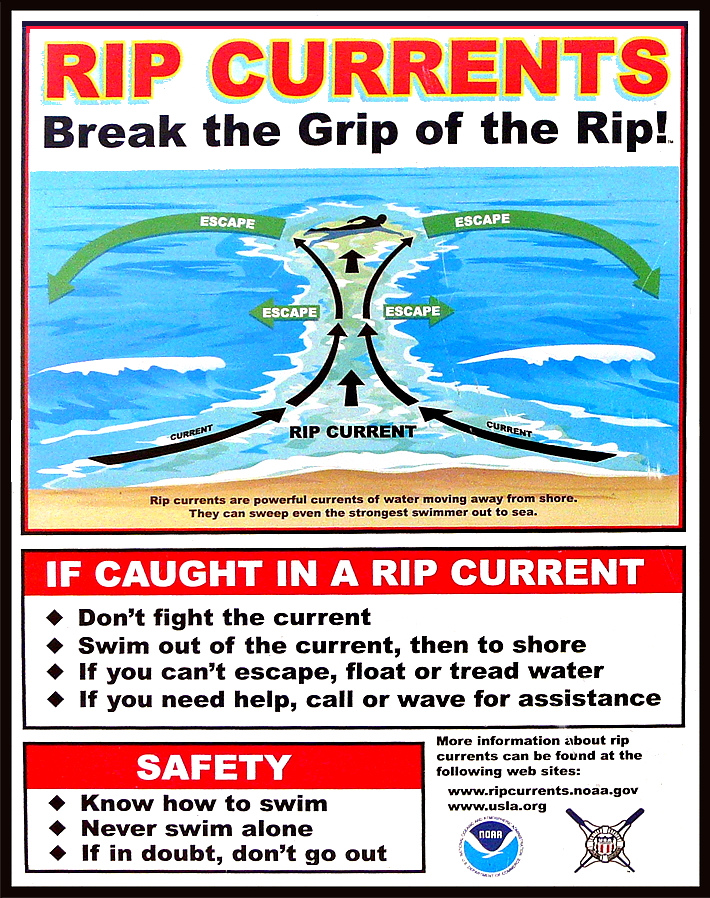
Most rip current deaths are preventable. Yet people keep drowning.
Beach-safety experts are frustrated by the mounting fatalities despite awareness campaigns and improved forecasts
Rip-current deaths in the United States are running ahead of last year’s pace – at least 29 since the beginning of the year – with peak beach season yet to come. Experts are warning the public to be aware of this largely hidden hazard ahead of Memorial Day weekend, traditionally one of the busiest beach weekends of the year. The risk of dangerous rip currents is expected to be particularly high this weekend along portions of the Southeast coast where a storm could produce heavy rain, gusty winds and rough seas. Experts say most rip-current fatalities can be prevented. Still, the number of annual rip-current deaths has steadily climbed since the National Weather Service began tracking them in 2010, reaching a record of 130 in 2021, then dipping to 85 last year. Rip currents were the third-leading cause of weather-related deaths from 2012 to 2021, behind only heat and flooding, according to the Weather Service, and in a typical year they kill more people than lightning, hurricanes or tornadoes. Rip currents are strong, narrow streams of water that flow away from the shoreline and can suddenly sweep swimmers out to sea. They can form on almost any beach with breaking waves, especially near low spots or breaks in sandbars, and near jetties or piers. Predicting where and when a rip current will form is difficult because of the many weather and ocean factors involved. The Weather Service cautions that “rip currents often form on calm, sunny days.” The Weather Service lists 26 rip-current deaths this year through April 27, not including three deaths believed to be caused by rip currents on April 28 in Destin, Fla., May 6 in Ocean City, Md., and May 12 at Cannon Beach, Ore. At this point last year, there were 19 total such deaths. Beach-safety experts are expressing frustration as fatalities trend higher again this year despite annual awareness campaigns, such as the United States Lifesaving Association’s National Beach Safety Week held every year during the week before Memorial Day, and recent improvements to rip current forecasts. “It is frustrating when we produce videos and graphics and educational information and release it at the beginning of each beach season, and it still misses so many people,” Scott Stripling, a senior meteorologist at the National Hurricane Center in Miami, said in an email. “The problem seems to be one of communication and/or lack of attention by the general public.”
Rip-current forecasts and warning signs
The Weather Service issues daily rip-current forecasts for beaches on the Atlantic Ocean, Gulf Coast, Southern California, Great Lakes, Puerto Rico and the U.S. Virgin Islands. The forecasts categorize the rip-current risk as low, moderate or high, and are informed by a rip-current model recently developed by NOAA that has made it possible to differentiate the risk between adjacent beaches. Previously the same forecast could span 100 miles or more. However, the model doesn’t enable reliable forecasts of the exact location and time of rip currents. These are influenced by a number of factors including wave characteristics, water levels, winds and the shape of a beach. Advances in artificial intelligence could help with rip-current detection – NOAA is partnering with the Southeast Coastal Ocean Observing Regional Association on a project using AI to detect rip currents in webcam imagery – but such efforts are still in their infancy. In some cases, there are visible clues to the existence of a rip current, such as a break in the waves, foamy water or objects being carried offshore, or darker water that is due to a break in a sandbar. Often, though, rip currents are difficult to see, or are best seen from a high point such as a dune line or the top of a beach access. Rip currents are particularly hard to spot in South Florida, where, the Weather Service says, they “consistently rank at or near the top of the list of deadliest weather-related hazards,” because there is not much sediment to darken or muddy the current at the shoreline. In Brevard County alone, home to nearly 72 miles of sandy beaches, there have been eight apparent rip-current drownings since November, all at beaches without lifeguards. “We have clear-water rips, so these offshore-flowing currents are very hard to detect,” Stephen Leatherman, a professor in the department of earth and environment at Florida International University, said in an email. “The best thing is to have lifeguards and for people to swim close to lifeguards. But lifeguards are very expensive, and Florida has 825 miles of good quality sandy beaches which are swimmable for most of the year.”
Warnings and tips for surviving a rip current
Rip currents flow at speeds up to 5 miles per hour. That may not sound fast, but it’s faster than many Olympic swimmers. If you are caught in a rip current, experts say not to swim directly back to shore against the current, which can quickly exhaust and drown you. Instead, swim parallel to the shore until you are out of the current, which is typically no wider than about 50 to 100 feet. You might also escape by floating or treading water, allowing the current to take you out just past the breaking waves where many rip currents tend to dissipate, and then circulate you back toward the shore. However, some rip currents can extend hundreds of yards offshore. If you see someone caught in a rip current, experts urge you not to risk your own life to attempt a swimming rescue unless you have been trained to do so and have a flotation device to assist you and the person in distress. Instead, you should get help from a lifeguard or call 911 if no lifeguard is present. You should also throw the victim something that floats, such as a lifejacket, body board, cooler or a ball, and yell instructions on how to escape. Experts agree that the best way to survive a rip current is to avoid it in the first place. That means checking the rip-current forecast before you enter the water, heeding warnings for rip currents or rough surf, and only swimming close to a lifeguard. The United States Lifesaving Association estimates the chance of someone’s drowning at a beach with a lifeguard at 1 in 18 million. “Lifeguards are trained to spot rip currents and other beach hazards and intervene as and when needed,” Chris Houser, a professor at the University of Windsor School of Environment and a longtime beach-safety researcher, said in an email. “While there is some evidence that individual beach users can be trained to spot rips, most beach users are not aware of what to look for.” U.S. lifeguards make an estimated 80,000 or more rip-current rescues each year, which suggests that education and warning messages are not reaching or are not resonating with as many people as experts would like. “If the lifeguards are flying precautionary flags, and there are signs on the lifeguard stand identifying the potential for rips in that area, and the National Weather Service and media have advertised that there is at least a moderate risk for rip currents to be present at your local beach, what else can we do?” the Weather Service’s Stripling said.
Read more » click here

Think Urinating on a Jellyfish Sting Is Helpful? Think Again.
Jellyfish myths and misconceptions abound. Here’s how to stay safe this beach season around these gelatinous wonders.
Is urinating on a jellyfish sting helpful? Can jellyfish still sting when they are beached? And what should you do if you find one in the water or the sand? With beach season upon us, here are some things to keep in mind about these boneless tentacled creatures, which populate all the oceans, from tropical waters to freezing depths.
They have been around for more than 500 million years.
“Jellyfish are some of the most resilient creatures on Earth,” said Yana Yanovsky, who recently founded the Jellyfish Museum in Pompano Beach, Fla., about 12 miles north of Fort Lauderdale, with her husband, Alex Yanovsky. To researchers, jellyfish are fascinating not only for their colorful and bulbous shapes but also because they play important roles in the marine ecosystem and are a key source of food for some fish and sea turtles. Scientists estimate that there are at least 1,000 species of jellyfish and that they have survived for more than 500 million years. Jellyfish lack backbones, heart, blood or gills and are more than 95 percent water, according to the Florida Fish and Wildlife Conservation Commission. They are known to drift with the currents, but they occasionally swim by pulsing their umbrella, or bell, at the top of their bodies, according to the commission. “Their movement is mesmerizing, almost meditative,” Ms. Yanovsky said. “While they lack a brain, they maintain a simple nerve net that allows them to respond to their environment.”
Jellyfish don’t ‘go after’ people.
“Any contact with jellyfish is incidental,” the National Oceanic and Atmospheric Administration said on its website, noting that humans are not on their menu. “They eat a variety of prey using their tentacles,” including plankton, fish, shrimp and even other jellyfish,” said Heather Bracken-Grissom, a professor of biological sciences at Florida International University in Miami. But when people swim in a jellyfish’s environment, humans can get in the way of their tentacles, which have stinging cells.
Don’t urinate on a sting.
You may have heard that urinating on a jellyfish sting is a useful remedy to relieve the pain. “There’s something, like ammonia in that, that kills the pain,” Chandler (Matthew Perry) tells Monica (Courteney Cox) and Joey (Matthew LeBlanc) in a 1997 episode of “Friends” after Monica is stung by a jellyfish. But urinating on a jellyfish sting can actually cause more pain than it provides relief, Dr. Thomas Waters said in a 2024 article published by the Cleveland Clinic. “The logic is based upon the idea that ammonia, urea and other compounds found in your urine can break down the stinging cells and get them to detach from your skin,” according to the article. “But the truth is that your urine is made up of mostly water, so there isn’t enough ammonia and other chemicals to have the desired effect of stopping the stinging cells and their barbs,” he wrote.
What should you do if you are stung?
“A saltwater wash is the best first step for all species of jellyfish and their look-alikes because it will not stimulate further ‘firing’ of stingers, or further release of their venom,” Dr. Christopher Bazzoli of the Cleveland Clinic said in an interview. Vinegar can also help. “Vinegar rapidly halts the thousands of tiny unfired stinging cells left on the surface of the skin after tentacle contact,” according to University of Florida Health. Dr. Bazzoli suggested that people apply ice to the affected area to help reduce inflammation. Someone who has been stung should also consider taking an antihistamine to reduce itching and skin reactions, or an anti-inflammatory, such as ibuprofen, to reduce pain and swelling.
Don’t touch them.
Although they may look like small balloons on the sand, avoid stepping on jellyfish and don’t touch or pop them. Even if you are wearing shoes or sandals, washed-up jellyfish — no matter the size — can still pose a risk because of their tentacles, according to the Cleveland Clinic. “The stinging cells on small jellyfish can be just as potent as the stinging cells on large jellyfish, so it’s possible to get a painful sting even from a microscopic jellyfish,” James Douglass, a professor of marine science at Florida Gulf Coast University in Fort Myers, Fla., said in an interview. “The thing about large jellyfish, though, is that they have more and longer tentacles with more stinging cells overall, so they can get you with a lot of stinging cells at once,” he added.
Can stings be fatal?
Yes, though fatal stings are “very rare” and are “associated with allergic reactions,” Dr. Bracken-Grissom said. Dr. Douglass said that while there are many species “that sting quite painfully,” there are a few species, such as the box jellyfish, whose stings can be life-threatening. Box jellyfish live in tropical areas and are commonly found on the northern coast of Australia and the Indo-Pacific Ocean, according to the Cleveland Clinic, which noted that the Australian box jellyfish is the most venomous jellyfish in the world.
Read more » click here
 Staying safe at the beach: Rip currents, jellyfish, sharks, and other hazards
A trip to the beach can turn deadly (or painful) due to natural hazards but being aware of risks and mitigating hazards is a good way to prevent problems.
Picture this: warm weather, blue skies, and your toes in the sand – it sounds like a perfect lazy summer day at the beach. Maybe you decide to cool down in the ocean and find yourself bobbing around when suddenly you realize you are a little too far out. As panic sinks in and you start to swim towards dry land you realize your efforts are in vain and your whole body is getting tired, all the while you are drifting further into the Atlantic – you have gotten stuck in a rip current. It’s not the only potential danger in the ocean, though. There are also sharks. And, of course, there are some things on shore that ruin your day at the beach, too, including stepping on jellyfish and, of course, good old-fashionedsunburn.
Rip currents
According to the U.S. Lifesaving Association (USLA), 80 percent of all ocean rescues are related to rip currents and annually more than 100 fatalities across the country are due to rip currents. While it is obvious that swimming at a beach with lifeguards is one of the safer options, there are plenty of area beaches that lack lifeguards or maybe ocean rescue season has not started just yet. So, what is the best course of action for surviving a rip current? According to the National Weather Service, there are several things swimmers should keep in mind when dealing with these often-unseen dangers.
-
- Relax. Rip currents don’t pull you under.
- A rip current is a natural treadmill that travels an average speed of 1-2 feet per second but has been measured as fast as 8 feet per second – faster than an Olympic swimmer. Trying to swim against a rip current will only use up your energy; energy you need to survive and escape the rip current.
- Do NOT try to swim directly into to shore. Swim along the shoreline until you escape the current’s pull. When free from the pull of the current, swim at an angle away from the current toward shore.
- If you feel you can’t reach shore, relax, face the shore, and call or wave for help. Remember: If in doubt, don’t go out!
- If at all possible, only swim at beaches with lifeguards.
- If you choose to swim on beaches without a lifeguard, never swim alone. Take a friend and have that person take a cell phone so he or she can call 911 for help.
Sharks
Sharks are a fear on most every swimmer’s mind, regardless of the actual dangers posed by the large predatory fish. “NOAA states that while shark attacks are rare, they are most likely to occur near shore, typically inshore of a sandbar or between sandbars where sharks can be trapped by low tide, and near steep drop-offs where sharks’ prey gather. While the risks are small, it’s important to be aware of how to avoid an attack,” according to previous reporting.
Suggestions from NOAA for reducing the risk of a shark attack include:
-
- Don’t swim too far from shore.
- Stay in groups – sharks are more likely to attack a solitary individual.
- Avoid being in the water during darkness or twilight when sharks are most active.
- Don’t go in the water if bleeding from a wound – sharks have a very acute sense ofsmell.
- Leave the shiny jewelry at home – the reflected light resembles fish scales.
- Avoid brightly-colored swimwear – sharks see contrast particularly well.
Sunburns
Most everyone has experienced a sunburn at one point in their life and while not often thought as a major concern for many, overexposure to UV light can cause serious long-term problems including skin cancer. The Centers for Disease Control and Prevention (CDC) recommends using at least S.P.F. 15 sunscreen at least 15 minutes prior to sun exposure. Wearing a hat, long sleeves, and other protective clothing is also recommended to keep skin protected.
Jellyfish
Jellyfish and Portuguese Man of War have been spotted along the beaches of New Hanover County and surrounding area beaches already this season and the little floating creatures can pack a punch. Often times beachgoers will spot them washed up on shore and other times they can be spotted in the water, but it is best to avoid them when you can. “While all jellyfish sting, not all contain poison that hurts humans. Be careful of jellies that wash up on shore, as some can still sting if tentacles are wet. NOAA recommends that if you are stung by a jellyfish to first seek a lifeguard to give first aid. If no lifeguards are present, wash the wound with vinegar or rubbing alcohol,” NOAA suggests. And what about that … other method of treating stings? Turns out, it’s a myth. In fact, urine can actually aggravate the stinging cells of jellyfish, making things worse. These cells, which detach and stick into the skin of prey, can continue to inject venom. Urine, as well as fresh water, can cause an imbalance to the salt solution surrounding the stinging cells, causing them to continue to fire. According to Scientific American, if you don’t have vinegar or rubbing alcohol, rinsing with salt water may be your best bet.
Read more » click here

Storm Events
 Hurricane Vehicle Decals
Property owners were provided with four (4) decals that were included in this month’s water bill. It is important that you place your decals in your vehicle or in a safe place. A $10 fee will be assessed to anyone who needs to obtain either additional or replacement decals. Decals will not be issued in the 24-hour period before an anticipated order of evacuation.
The decals are your passes to get back onto the island to check your property in the event that an emergency would necessitate restricting access to the island. Decals must be displayed in the driver side lower left-hand corner of the windshield, where they are not obstructed by any other items. Officials must be able to clearly read the decal from outside the vehicle.
Property owners without a valid decal will not be allowed on the island during restricted access. No other method of identification is accepted in an emergency situation. Click here to visit the Town website to find out more information regarding decals and emergency situations.
NC General Statute 166A-19.22
Power of municipalities and counties to enact ordinances to deal with states of emergency.
Synopsis – The governing body may impose by declaration or enacted ordinance, prohibitions, and restrictions during a state of emergency. This includes the prohibition and restriction of movements of people in public places, including imposing a curfew; directing or compelling the voluntary or mandatory evacuation of all or part of the population, controlling ingress and egress of an emergency area, and providing for the closure of streets, roads, highways, bridges, public vehicular areas. All prohibitions and restrictions imposed by declaration or ordinance shall take effect immediately upon publication of the declaration unless the declaration sets a later time. The prohibitions and restrictions shall expire when they are terminated by the official or entity that imposed them, or when the state of emergency terminates.
Violation – Any person who violates any provisions of an ordinance or a declaration enacted or declared pursuant to this section shall be guilty of a Class 2 misdemeanor.
Hot Button Issues
Subjects that are important to people and about which they have strong opinions

Climate
For more information » click here.
There’s something happening here
What it is ain’t exactly clear
Flood Insurance Program
For more information » click here
National Flood Insurance Program: Reauthorization
Congress must periodically renew the NFIP’s statutory authority to operate. On February 3, 2026, the president signed legislation passed by Congress that extends the National Flood Insurance Program’s (NFIP’s) authorization to September 30, 2026.
Congress must now reauthorize the NFIP
by no later than 11:59 pm on September 30, 2026.

GenX
For more information » click here

Homeowners Insurance
For more information » click here
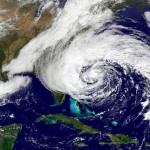
Hurricane Season
For more information » click here
Hurricane season runs from June 1 through November 30
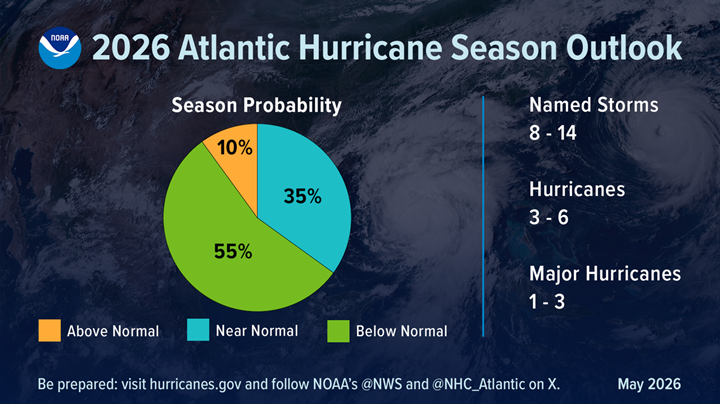
Inlet Hazard Areas
For more information » click here
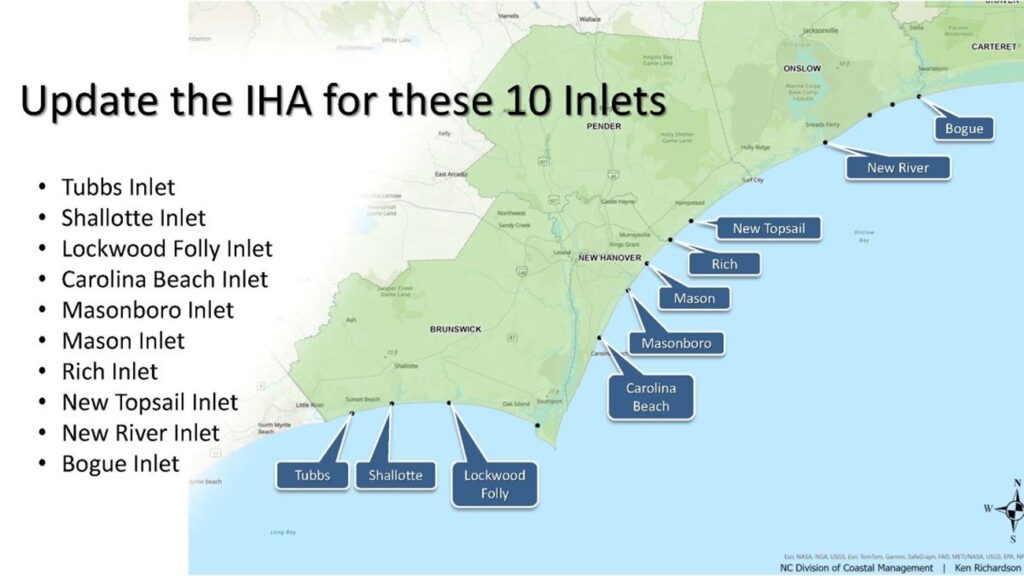
.
Lockwood Folly Inlet
For more information » click here.

Seismic Testing / Offshore Drilling
For more information » click here.

Offshore Wind Farms
For more information » click here
Trump Administration to Pay $765 Million to Cancel 4 More Wind Projects
It’s the third such deal the Interior Department has struck to pay firms to abandon plans for offshore turbines, spending roughly $2.5 billion to get companies to abandon their wind projects.
The Interior Department said on Wednesday that it would pay the energy developer Invenergy hundreds of millions of dollars to abandon plans to build wind farms in the Atlantic and Pacific, in the third such deal struck by the Trump administration to cancel offshore wind leases. Under the agreement Invenergy will voluntarily surrender four leases in federal waters for wind farms that would have been located in the New York Bight, off the Central Coast of California and in the Gulf of Maine. All of those projects were in the early stages of development and had little chance of moving forward under the Trump administration, which has halted all federal permitting for offshore wind. The government will then reimburse Invenergy $765 million, or somewhat less than what the company had paid for the leases under the Biden administration. In exchange, Invenergy said it would put that money toward the development of at least five new natural gas-fired power plants in the Midwest, as well as in geothermal projects in the Western United States. The agreement is similar to deals that the Trump administration has struck since March with other companies, including French energy giant TotalEnergies, to abandon wind farms off California, New Jersey, New York and North Carolina in exchange for investing in fossil fuel projects. The announcement means the government has so far spent roughly $2.5 billion to get companies to terminate their offshore wind leases. Wind power generates far fewer planet-warming emissions than using fossil fuels. But President Trump has criticized the technology as ugly and inefficient and has sought to block new wind turbines. Last year, the Interior Department ordered work to stop on five wind farms already under construction off the East Coast, but federal judges struck down all of those moves. The Pentagon has also sought to halt approvals of wind farms on land. The agreements with companies to forfeit their offshore leases are a new strategy and represent a highly unusual use of taxpayer dollars. Seven Democratic-controlled states, including New York, have already sued the Trump administration over the Interior Department’s deal with TotalEnergies. Invenergy is the nation’s largest privately held developer of energy projects, with a broad array of solar, wind, battery and natural gas plants. The company had originally paid roughly $800 million for its four offshore leases during the Biden administration and had spent additional funds on development. The largest lease, in the New York Bight between New Jersey and Long Island, covered nearly 84,000 acres and was purchased in a 2022 auction. Daniel Runyan, Invenergy’s senior vice president for development, said in a statement that the company would refocus its efforts on “projects that can be delivered on a commercially reasonable timeline” in order to meet the nation’s growing demand for electricity. The company said it planned to use the funds to develop additional natural gas plants in Indiana, Wisconsin, Iowa, Kansas, and Missouri. While previous deals had committed companies to investing only in fossil fuels like natural gas, Invenergy said it was also planning to invest in geothermal energy projects. Geothermal plants, which can run at all hours and emit few greenhouse gas emissions, are one of the few renewable energy sources that have found favor with the Trump administration. Trump administration officials indicated that more such agreements could be in the works. “The Department of Justice looks forward to continued cooperation from companies that are re-evaluating their energy investments,” Stanley Woodward, an associate attorney general, said in a statement. Interior Secretary Doug Burgum said in a statement that offshore wind projects made more financial sense under the Biden administration, which offered lucrative tax credits for wind turbines, solar panels, electric cars and other green technologies. The Republican-controlled Congress eliminated those incentives last summer. “The offshore wind leases were sold under the assumptions that taxpayers would indefinitely subsidize costly, unreliable projects,” Mr. Burgum said. Mr. Burgum also repeated his claim that offshore wind projects pose national security risks. Last year, the Interior Department cited national security concerns in ordering a halt to construction of the five offshore wind projects on the East Coast. But the agency has not detailed those concerns in public, and, earlier this year, several federal judges said they were unconvinced by the administration’s arguments. Proponents of offshore wind projects criticized the deals, pointing out that regions like the Northeast were counting on the wind farms to meet rising electricity demand and could now face future shortages. “Replacing coastal offshore wind with geothermal or natural gas infrastructure in another region does nothing to address rising ratepayer affordability concerns, reliability challenges or potential gaps in power supply in the Northeast and mid-Atlantic,” said Hillary Bright, the executive director of Turn Forward, an offshore wind advocacy group.
Read more » click here
Feds pay Duke Energy $129M for Brunswick County wind lease termination
After paying out a French energy company $1 billion for its Carolina Long Bay wind lease in Brunswick County earlier this spring, the feds have settled on a similar agreement with one of the nation’s largest electric holding companies, central to North Carolina. Duke Energy is receiving more than a hundred-million dollars to terminate its wind lease in Carolina Long Bay as well. “Under the agreement, Duke Energy will reinvest nearly $129 million in additional generating capacity, which may include advancing new nuclear and natural gas generation, and grid enhancements to strengthen reliability, support continued growth in the Carolinas and keep costs as low as possible,” Kodwo Ghartey-Tagoe, executive vice president and chief executive officer of Duke Energy Carolinas, said in a release from the Department of Interior. The federal government’s $129-million reimbursement is less than Duke paid for the lease. In 2022, the company forked out $155 million in an Atlantic Outer Continental Shelf renewable energy auction held by the Bureau of Ocean Energy Management. The Duke wind lease was expected to generate around 1.6 GW of energy by 2032, to power roughly 375,000 homes. Both Duke and TotalEnergies wind leases also were poised to support 37,000 jobs, $3 billion in annual wages, $233 million in tax revenue, and $44 billion in capital investment during construction. The wind leases would have been located roughly 20 miles off the shore of the Southport and Bald Head Island areas. Last year Duke Energy Renewables halted its plans, citing excessive costs. While clean energy was a target goal under the Biden administration, which wanted to deploy 30 gigawatts of offshore wind by 2030, the Trump administration has gone in the opposite direction, shifting investment to oil, natural gas, and coal. The president, who has called the turbines too expensive and an eye sore, has sheared wind farm tax credits and signed an executive order to pause federal wind permits. However, the move was taken up by the courts and dismissed as beyond the president’s authoritative scope. So to thwart its decision, the administration began buying out wind leases instead — though this move is also finding its way into the judicial system. After signing a $1-billion deal with TotalEnergies in March to cancel its two leases in North Carolina and New York, a group of attorneys general filed a lawsuit against the Trump administration at the beginning of June. The AGs from Connecticut, Maine, Massachusetts, New Jersey, Rhode Island, Vermont and New York claim their states’ economies and climate goals are negatively impacted by the lease termination. In Brunswick County beach towns, leaders from Bald Head Island, Ocean Isle Beach and Sunset Beach have expressed dismay over potential wind farms off their shorelines. Three years ago many spoke in opposition to unpleasant visuals of turbines in Carolina Long Bay and some wildlife groups also worried over protecting avian populations, particularly the Bald Head Eagle. “President Trump’s vision of unleashing affordable, reliable American energy for our country’s communities and using common sense to put the American people first is being implemented,” Secretary of the Interior Doug Burgum said in the department’s settlement announcement Monday, June 29, calling Duke’s buy-out a “win-win.” However, Pasha Feinberg, offshore wind strategist at Natural Resources Defense Council, a U.S.-based advocacy group, called it a “lose-lose.” “We need more electricity, not less,” she said. “Canceling clean energy projects is self-defeating. Paying off companies so they will abandon them is just ludicrous. The Trump administration is wasting our money paying companies not to produce energy. It’s long past time for the Trump administration to end its war on new energy so that customers’ bills won’t keep rising and our nation can meet its growing electricity demands.” It’s the fourth wind farm lease the Trump administration has bought out this year totaling around $2.7 billion. The fed agreed to pay Invenergy $765 million for four leases located in the New York Bight, the Central Coast of California, and the Gulf of Maine. Another $765 million will go to a division of BlackRock for a New Jersey lease and $120 million will be funneled to Ocean Winds for a California lease. Duke Energy’s reimbursement comes as the company’s 2025 Resource Plan also indicates the utility will build half as much wind and solar over the next decade than previously projected. The change matches the a shift from North Carolina’s GOP-led legislature, which ditched plans for the state to reduce its carbon emissions by 70% between 2005 and 2030. Duke’s 2025 Resource Plan — being evaluated by North Carolina Utilities Commission, with the final order expected by Dec. 31, 2026 — also includes delaying new nuclear generation into the next decade, developing more natural gas units and battery storage, and extending the lifespan of aging coal plants. It all comes as electricity demands increase and impact customers further by rising fuel costs. Some of those costs are already being considered by the Utilities Commission: Duke wants to recover $800 million in fuel and power costs incurred during a winter cold snap, to be passed on to ratepayers. The move has been denounced by Governor Josh Stein. Burgum claimed in Monday’s settlement that the Duke deal “will lower the costs for its customers in North Carolina and surrounding states.” This comes as Duke is in the midst of requesting the North Carolina Utilities Commission also approve additional rate increases. Duke first requested an 18% rate increase over the next two years. After North Carolina Attorney General Jeff Jackson and customers at numerous public hearings brought a fury of complaints against the move, Duke has scaled back to an 11.6% increase; it is proposing a 7.5% increase in 2027 and 4.2% increase in 2028. The Utilities Commission is scheduled to begin evidentiary hearings on the proposed rate changes on July 7, 2026. Regulators will decide to approve, reject, recommend modifications in the fall.
Read more » click here
Duke Energy takes nearly $130 million to kill its wind project
Duke Energy has agreed to ax its wind lease off the coast of Brunswick County, instead pledging to reinvest funds into grid enhancements and additional power generation. The U.S. Department of Interior announced Monday that the Charlotte-based company will terminate its offshore wind lease in the Carolina Long Bay wind area roughly 22 miles offshore, south of Bald Head Island. “This settlement allows Duke Energy to refocus $129 million in ways that directly benefit our customers and communities in the Carolinas,” Duke Energy Carolinas’ Executive Vice President and Chief Executive Officer Kodwo Ghartey-Tagoe stated in a release. “Under this agreement, Duke Energy will reinvest nearly $129 million in additional generating capacity, which may include advancing new nuclear and natural gas generation, and grid enhancements to strengthen reliability, support continued growth in the Carolinas and keep costs as low as possible.” The company’s decision leaves the more than 110,000-acre Carolina Long Bay wind energy area now tenant-free, as driven by President Donald Trump’s push to dismantle renewable energy projects and replace them with fossil fuel and nuclear power. In March, TotalEnergies accepted a $1 billion federal buyout of its wind energy leases off the New York and North Carolina coasts, including roughly half of the Carolina Long Bay wind energy area. The France-based global energy company said it would invest the refunded money in a liquefied natural gas export terminal in Texas and other fossil fuel projects. Duke Energy paid $155 million in May 2022 to lease the other half of the offshore wind area. “President Trump’s vision of unleashing affordable, reliable American energy for our country’s communities and using common sense to put the American people first is being implemented,” Interior Secretary Doug Burgum stated in Monday’s announcement. “Duke Energy will now be able to convert a national security concern into projects that will lower the costs for its customers in North Carolina and surrounding states.” Projects in the Carolina Long Bay wind energy area were estimated to generate up to 3 gigawatts of electricity, enough to power about 657,000 homes, and provide more than $4 billion in net economic impacts. Though the now-dead projects were years away from providing offshore-generated electricity to land-based power grids, advocates of wind energy argue it is a stable, predictable source of energy. “We are disappointed to see another offshore wind farm opportunity taken off the table for North Carolina,” Southeastern Wind Coalition President Katharine Kollins said in a release. “At a time when electricity demand is surging and grid reliability is under increasing strain, we need to add energy options, not remove them. It is unfortunate that the federal government continues to pick winners and losers in the energy space, especially when we’ve seen strong performance from the four existing offshore wind farms currently operations in U.S. waters.” There are still active offshore wind leases along North Carolina’s northern coast, off the shores of Kitty Hawk. Those leases were purchased a few years ago by Avangrid Renewables and Dominion Energy, the latter of which is wrapping construction of a 2.6-gigawatt project nearly 30 miles east of Virginia Beach. Courts have recently overturned the Trump administration’s actions to quell offshore wind development in the United States, including an order last December to stop work in five offshore wind energy areas on the East Coast, including Dominion Energy’s Hampton Roads, Virginia-based project. But those rulings have not hampered the administration from continuing to target offshore wind projects. Since announcing its deal with TotalEnergies, the Interior Department has solidified similar agreements with a handful of other companies to terminate their leases off the coasts of California, Maine, New Jersey and New York. In early June, New York’s attorney general was joined by state attorneys general from Connecticut, Maine, Massachusetts, New Jersey, Rhode Island and Vermont in challenging TotalEnergies’ federal buyout. Chris Herndon, chapter director of the North Carolina Sierra Club Chapter, in a statement urged state Attorney General Jeff Jackson to “review the legality of this ‘deal,’ and consider joining other states in challenging the Trump administration in court.” “Duke Energy and Donald Trump are worsening the energy affordability crisis that’s plaguing North Carolina families and small businesses throughout the state,” Herndon said in a release. “It’s a disgrace that Duke Energy would walk away from an affordable, reliable offshore wind project that our state was counting on to create family-sustaining wages for workers and fixed-price clean electricity to power our state’s economy.” Pasha Feinberg, an offshore wind strategist with the international nonprofit Natural Resources Defense Council, called Duke Energy’s agreement with the federal government a “lose-lose proposition.” “We need more electricity, not less,” Feinberg stated in a release. “Canceling clean energy projects is self-defeating. Paying off companies so they will abandon them is just ludicrous. The Trump administration is wasting our money paying companies not to produce energy. It’s long past time for the Trump administration to end its war on new energy so that customers’ bills won’t keep rising and our nation can meet its growing electricity demands.”
Read more » click here
Things I Think I Think
 Eating out is one of the great little joys of life.
Restaurant Review:
The Dinner Club visits a new restaurant once a month. Ratings reflect the reviewer’s reaction to food, ambience and service, with price taken into consideration.
/////
If you like pub grub,
then you may want to consider these local restaurants:
///// May 2026
Name: Duffer’s Bar & Grill
Cuisine: American
Location: 5051 Main Street, Shallotte NC
Contact: 910.754.7229 / https://duffersbargrill.net/
Food: Average / Very Good / Excellent / Exceptional
Service: Efficient / Proficient / Professional / Expert
Ambience: Drab / Plain / Distinct / Elegant
Cost: $15 Inexpensive <=20 / Moderate <=26 / Expensive <=35 / Exorbitant <=60
Rating: Two Stars
This popular, family-owned restaurant has been serving generous portions of simple, bar food since 1997. The lunch and dinner menus are the same, offering a broad selection with something for everyone. The food is quite good, reasonably priced, and served in a casual, easy-going atmosphere.
///// May 2026
Name: Wings & Fish Company
Cuisine: American / Pub Grub
Location: 4764 Main Street, Shallotte NC
Contact: 910.754.9858 / https://www.wingandfishco.com/
Food: Average / Very Good / Excellent / Exceptional
Service: Efficient / Proficient / Professional / Expert
Ambience: Drab / Plain / Distinct / Elegant
Cost: $18 Inexpensive <=20 / Moderate <=26 / Expensive <=35 / Exorbitant <=60
Rating: Two Stars
This locally owned McMullan family eatery and sports bar has been serving bar food favorites since 2013. The lunch and dinner menus offer the same reasonably priced selections, including fresh local fish sourced through the family’s Ocean Isle Fishing Center fleet. With big-screen TVs throughout and twenty-five American beers on tap, it’s a welcoming spot where the game is always on.
///// May 2026
Name: Salty Cow Tavern
Cuisine: American / Comfort Food
Location: 4812 Main Street, Shallotte NC
Contact: 910.762.1373 / https://www.saltycowtavern.com/
Food: Average / Very Good / Excellent / Exceptional
Service: Efficient / Proficient / Professional / Expert
Ambience: Drab / Plain / Distinct / Elegant
Cost: $19 Inexpensive <=20 / Moderate <=26 / Expensive <=35 / Exorbitant <=60
Rating: Two Stars
Located along the Shallotte River, this laid-back local sports bar offers casual indoor and outdoor dining, with TVs visible from nearly every angle. The lunch and dinner menus are the same and include reasonably priced bar food, smoked meats, ribs, and a separate sushi menu. Opened in 2026 by the McMullan family, owners with several area restaurants, it delivers good food in a relaxed casual setting.
Dining Guide – Local * Lou’s Views
Dining Guide – North * Lou’s Views
Dining Guide – South * Lou’s Views
Restaurant Reviews – North * Lou’s Views
Restaurant Reviews – South * Lou’s Views
Book Review:
Read several books from The New York Times best sellers fiction list monthly
Selection represents this month’s pick of the litter
 MAD MABEL by Sally Hepworth
The story follows Elsie Mabel Fitzpatrick, an 81-year-old Melbourne curmudgeon determined to keep her past buried. Decades earlier, she was known as “Mad Mabel,” Australia’s youngest convicted murderer. But when a neighbor dies and a nosy seven-year-old girl moves in across the street, Elsie’s carefully guarded life begins to unravel. Told across two timelines, the novel shifts between the present and the past, gradually revealing the secrets that shaped her.
That’s it for this newsletter
See you next month
Lou’s Views . HBPOIN
-
-
-
-
-
-
-
-
-
- Gather and disseminate information
- Identify the issues and determine how they affect you
- Act as a watchdog
- Grass roots monthly newsletter since 2008
-
-
-
-
-
-
-
-